
The Long-Term Benefits of Implant-Supported Dentures
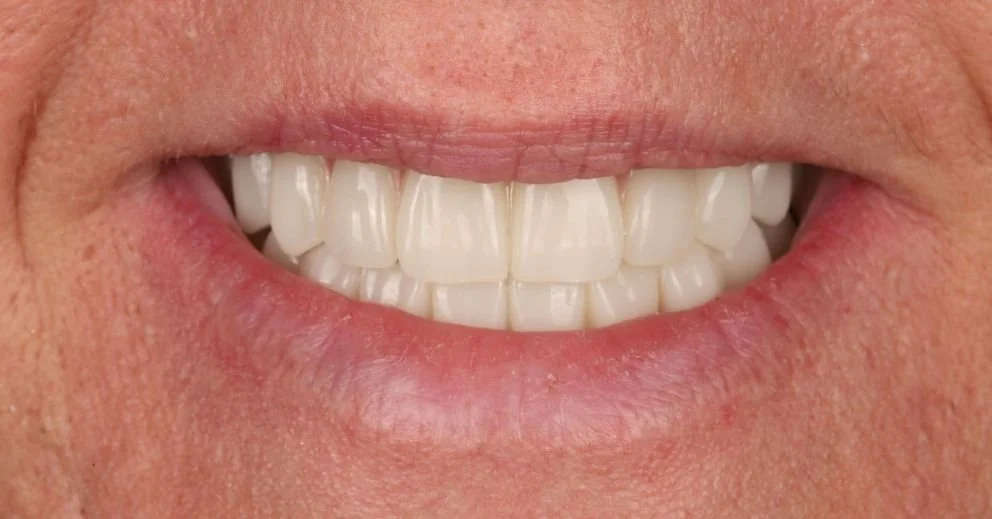
If you're weighing up implant-supported dentures, the easiest way to understand them is to walk through what actually happens: how they're planned, fitted, and how they hold up over the years that follow. Rather than just listing reasons they're popular, it helps to see the process and the payoff side by side.
That's what we'll cover here, step by step, so you can decide whether they're worth it for your situation.
TLDR: Implant-supported dentures anchor to your jawbone instead of sitting loosely on your gums, which means better stability, less bone loss over time, and a more natural bite. They cost more upfront than traditional dentures but tend to pay off in comfort, function, and fewer adjustments down the track.
How Implant-Supported Dentures Actually Work
Traditional dentures rest on your gums and rely on suction or adhesive to stay put. Implant-supported dentures are different because they clip onto small titanium posts that have been placed into your jawbone. That connection is what gives them their stability.
The Planning Stage
Before anything is placed, your dentist or prosthetist will check how much healthy jawbone you have to work with. This usually involves a scan or x-ray to map out exactly where the implants will go.
If you've been missing teeth for a while, bone density in that area may have dropped, which can affect the plan slightly. It's not a dealbreaker, it just means your clinician may discuss options like a bone graft first.
Placing the Implants
The implants themselves are small titanium posts inserted into the jawbone. Over the following months, the bone fuses around them in a process called osseointegration.
This healing period is what makes the whole system so sturdy later on. It's also why implant-supported dentures take longer to complete than a standard denture fitting.
Attaching the Denture
Once healing is confirmed, the denture itself is custom fitted and attached to the implants, either as a fixed piece or a removable one that clips in and out. From that point, you've got a set of teeth that functions much closer to your natural bite than a traditional plate ever could.
Why the Long-Term Benefits Matter More Than the Upfront Cost
It's easy to focus on the initial price tag, but the real value of implant-supported dentures shows up years down the track. That's where most people notice the difference compared to traditional dentures.
Bone Preservation
When you lose teeth, your jawbone starts to shrink because it's no longer being stimulated by chewing forces. Traditional dentures don't stop this, but implants do, because they transmit pressure into the bone much like natural tooth roots did.
Over ten or twenty years, this difference becomes obvious. People with implant-supported dentures tend to keep more of their facial structure and jawbone volume.
Fewer Refits and Adjustments
Traditional dentures often need relining or replacing every five to eight years as your gums and bone change shape. Implant-supported dentures are far more stable because the foundation underneath (the implants) doesn't shift the way gum tissue does.
Less frequent trips back to the clinic for adjustments
No need for messy adhesives or pastes
A denture that keeps fitting well as years pass
Better Chewing Function
Loose dentures limit what people feel comfortable eating. Steak, apples, crusty bread, these often get avoided because the denture might slip.
With implants holding things firmly in place, patients generally find their diet opens back up again. That has a flow-on effect for nutrition and general health, which matters more as we get older.
Comfort and Confidence Day to Day
Beyond the clinical side, there's a quality-of-life factor that's easy to underestimate until you've lived with loose dentures for a while.
No More Slipping Mid-Conversation
One of the most common complaints with traditional dentures is that they move when talking, laughing, or yawning. That constant low-level worry disappears with an implant-supported option.
Speech Clarity
A denture that shifts around can affect how words come out, particularly consonants that need the tongue to press against the roof of the mouth. Stability helps speech sound more natural, which a lot of patients say they didn't expect to notice so much.
Social Confidence
Being able to eat out, laugh freely, and not think twice about your teeth has a real impact on how people feel in social settings. It's a benefit that's hard to measure but easy to feel.
Who Tends to Get the Most Value From Implant-Supported Dentures
They're not automatically the right choice for everyone, but certain situations make them particularly worthwhile.
People who've struggled with loose or uncomfortable traditional dentures
Those with enough jawbone density (or who are candidates for a bone graft)
Anyone wanting to slow down bone loss in the jaw over time
Patients who eat a wide variety of foods and want that back
People in good general health who can handle the implant procedure
A thorough check-up is really the only way to know for sure. Every mouth is different, and bone structure, gum health, and your general medical history all play a part in the recommendation.
Caring for Implant-Supported Dentures Over the Years
Maintenance is simpler than most people expect, but it's still worth understanding what's involved so the implants last as long as possible.
Daily Cleaning Habits
You'll still need to brush around the implants and clean the denture itself daily, much like you would with natural teeth or a standard denture. Special brushes or floss designed for implants can help reach tricky spots.
Regular Check-Ups
Routine visits let your dentist check the implants are holding firm and the surrounding gum tissue is healthy. Catching small issues early is far easier than dealing with a bigger problem later.
Watching for Warning Signs
Any looseness or movement in the denture
Soreness or swelling around an implant site
Changes in bite or how the teeth come together
Clicking or unusual noises when chewing
If any of these show up, it's worth getting checked sooner rather than later rather than waiting for your next scheduled visit.
Find Out If Implant-Supported Dentures Are Right for You
If you're considering implant-supported dentures, the team at DentureHaus can assess your suitability, explain your options and answer your questions. You'll have a clearer idea of what's involved before deciding how to proceed.
Book an assessment with DentureHaus to discuss your options for implant-supported dentures.
Key Takeaways
Implant-supported dentures attach to titanium posts fused into the jawbone, giving far more stability than traditional dentures
They help preserve jawbone density, which traditional dentures can't do
Patients typically need fewer refits and adjustments over the years
Eating, speaking, and general confidence tend to improve noticeably
Good candidates usually have adequate bone density and good general health
Daily cleaning and regular check-ups keep the implants performing well long term
FAQ
How long does the whole process take from start to finish?
It varies, but you're usually looking at a few months overall once you factor in healing time after the implants are placed. Your clinician will give you a timeline based on your scans and bone condition.
Will my private health cover help with the cost?
Many extras policies in Australia offer some rebate toward implant procedures, though the amount depends on your level of cover. It's worth checking with your fund directly before committing, since coverage varies a lot between providers.
Can I switch from traditional dentures to implant-supported ones later?
Yes, this is actually quite common. Many patients start with traditional dentures and move to an implant-supported option once they've experienced the limitations firsthand.
Is there much discomfort during the healing period?
Some soreness after the implant placement is normal, similar to recovering from a dental extraction. Most people manage it with standard pain relief and are back to normal routines within a few days.
What happens if an implant fails years down the track?
Implant failure is uncommon, but if it happens, the post can usually be removed and replaced following a healing period. Regular check-ups help catch any early signs of trouble before it becomes a bigger issue.