
Can Poorly Fitted Dentures Cause Headaches or Jaw Pain?
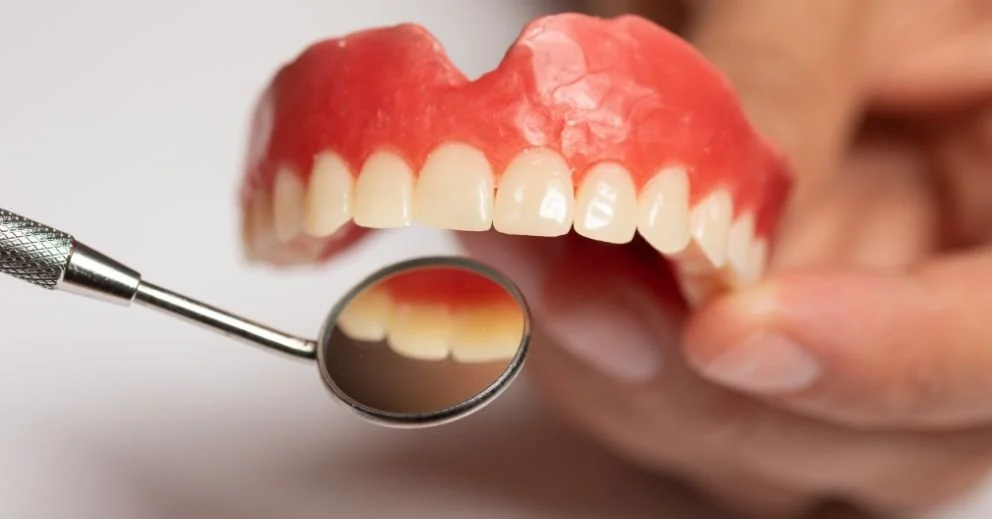
You've had your dentures for a while now, and lately something feels off. Maybe it's a dull ache along your jaw by the end of the day, or a headache that seems to creep in right after meals.
If you've found yourself typing "why do my dentures give me headaches" into Google at 11pm, you're not alone, and yes, there's usually a real reason behind it.
TLDR: Poorly fitted dentures can absolutely cause headaches and jaw pain, usually because of uneven bite pressure, slipping, or your jaw muscles working overtime to keep them in place. The fix almost always involves a proper fit check or reline rather than pain relief tablets. Left unaddressed, it can lead to ongoing jaw strain and even changes to your facial muscles over time.
Why Ill-Fitting Dentures Lead to Jaw Pain and Headaches
Dentures are meant to sit securely and evenly across your gums. When they don't, your jaw muscles have to work harder than they should just to keep them in place while you talk, chew, or even rest your mouth.
That extra muscular effort doesn't stay isolated to your mouth. It radiates outward into your jaw joints, your temples, and sometimes down into your neck and shoulders.
Uneven bite pressure
If your dentures don't distribute pressure evenly across your gums, certain spots take on more load than they should. This uneven pressure can trigger tension headaches that build gradually through the day.
Denture slipping or rocking
Loose dentures that shift or rock when you speak or eat force your facial and jaw muscles to clench more than normal. That constant low-level clenching is a classic cause of jaw ache and tension-type headaches.
Bite misalignment
When the upper and lower dentures don't meet correctly, your jaw joint (the TMJ) can be pulled out of its natural position. Over time, this misalignment is strongly linked to jaw pain, clicking sounds, and recurring headaches.
Signs Your Dentures Might Be Causing the Problem
It's not always obvious that your dentures are the culprit, especially if the pain feels like it's coming from somewhere else entirely. Here are some common signs worth paying attention to.
Headaches that tend to start or worsen after eating
Jaw soreness or fatigue by the end of the day
A clicking or popping sound when you open your mouth
Dentures that feel loose, rock, or shift while talking
Sore spots or gum irritation under the denture base
Pain that radiates into your ears, temples, or neck
When the pain points to your jaw joint
If you're noticing clicking, popping, or a feeling of your jaw "catching," this usually points to TMJ (temporomandibular joint) involvement rather than a simple fit issue alone. It's still often connected to how your dentures sit and align.
When it's more about muscle fatigue
Dull, aching pain without any clicking is more commonly linked to muscle overuse from compensating for a loose or unstable fit. This type usually eases once the denture fit is corrected.
What Causes Dentures to Stop Fitting Properly
Dentures that fitted perfectly when you first got them don't always stay that way. Your mouth is a living, changing environment, not a fixed mould.
Natural bone and gum changes
Once teeth are removed, the jawbone underneath gradually reshapes and reduces in volume. This is a normal part of healing, but it means the base of your denture can slowly lose contact with your gums over months and years.
Wear and tear on the denture itself
Like any object you use daily, dentures wear down over time. The biting surfaces can flatten unevenly, changing how your bite comes together and putting strain on your jaw.
An original fit that wasn't quite right
Sometimes the issue goes back to the initial fitting. If the impressions or bite registration weren't entirely accurate, discomfort can show up early on rather than developing gradually.
What to Do If You Think Your Dentures Are Causing Jaw Pain
The good news is this is a common, fixable problem. Ignoring it and hoping the discomfort settles down tends to make things worse, not better.
A proper denture assessment looks at how your dentures sit, how your bite comes together, and whether any adjustment, reline, or remake is needed. In many cases a reline (relining the base to match your current gum shape) solves the issue without needing a full new set.
If you're experiencing ongoing headaches or jaw discomfort that seems connected to your dentures, it's worth getting them properly checked rather than persisting with it. DentureHaus offers denture fit assessments for exactly this kind of concern, whether you got your dentures from us or elsewhere.
Questions worth asking at your check-up
Does my bite feel even on both sides?
Are there any sore or red spots under the denture base?
Has my jawbone shape changed since the dentures were made?
Would a reline or adjustment help, or do I need new dentures?
Preventing Jaw Pain From Becoming a Long-Term Issue
Catching a poor fit early usually means a simpler fix. Leaving it for months or years can allow muscle tension patterns and bite changes to become more established and harder to reverse.
Book a denture check-up at least once a year, even if nothing feels wrong
Get dentures relined when they start to feel loose rather than waiting it out
Mention any new headaches or jaw soreness to your denturist, don't just mention sore gums
Avoid using DIY adhesive as a permanent fix for a loose fit
Regular check-ins matter more than people expect, since gum and bone changes happen gradually and are easy to miss day to day.
Could Your Denture Fit Be Behind Your Discomfort?
If jaw pain or headaches have been creeping into your day and you suspect your dentures are behind it, it doesn't hurt to get them looked at properly. DentureHaus can assess your fit and talk through whether an adjustment or reline would help, giving you one less thing to deal with.
Book a denture assessment with DentureHaus to check your fit and discuss whether an adjustment or reline could help.
Key Takeaways
Poorly fitted dentures can cause headaches and jaw pain through uneven bite pressure, slipping, or bite misalignment
Jaw clicking or popping often points to TMJ involvement, while dull aching usually reflects muscle fatigue
Jawbone and gum shape change naturally over time, which affects how dentures sit even if they were fine before
A reline or fit adjustment resolves most cases without needing an entirely new set
Getting a professional check sooner rather than later prevents the issue from becoming more entrenched
FAQ
How long does it usually take for denture-related jaw pain to go away after a fit adjustment?
Most people notice improvement within a week or two of getting a proper adjustment or reline, as the jaw muscles relax once they're not overcompensating. Some lingering soreness is normal for a few days while your mouth adjusts to the new fit.
Can new dentures also cause headaches while I'm still getting used to them?
Yes, a short adjustment period is normal and can include mild jaw tension or headaches for the first week or two. If the discomfort is still present after a few weeks, it's worth getting the fit reviewed rather than assuming it will resolve on its own.
Is it possible to fix the problem myself with adhesive or cushioning pads?
Adhesives and cushioning pads can offer short-term relief from slipping, but they don't correct an underlying bite or fit issue. Relying on them long-term often masks a problem that needs a proper reline or adjustment.
Could the headaches be from something unrelated to my dentures?
It's possible, since tension headaches and migraines have plenty of other triggers unrelated to dental fit. That said, if your headaches consistently line up with eating, talking, or wearing your dentures for longer periods, the fit is a reasonable first thing to rule out.
What happens during a denture fit assessment?
A denturist will check how your bite comes together, look for sore spots or uneven pressure under the denture base, and assess whether your gum shape has changed since the dentures were made. From there they'll recommend whether an adjustment, reline, or new denture is the right next step.