
Can You Wear a Mouthguard With Braces? Here's the Truth
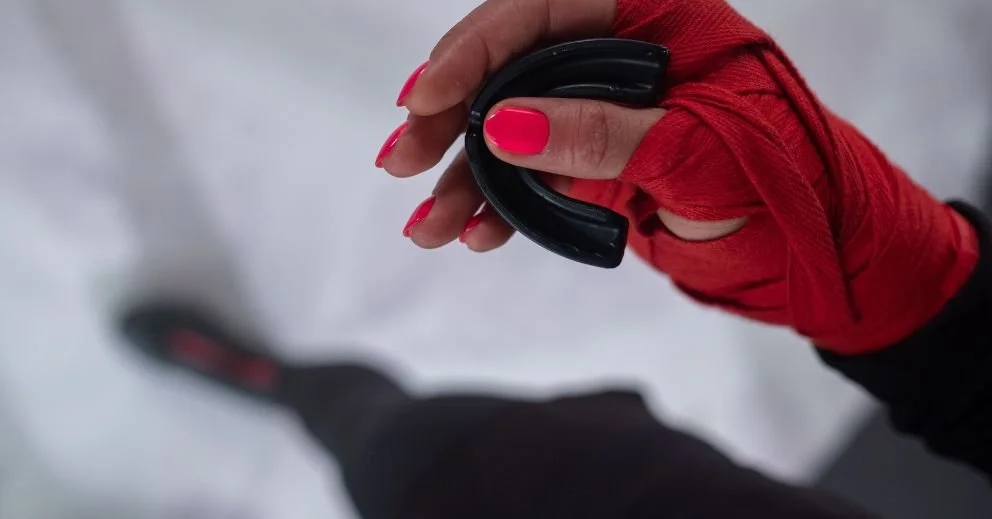
Here's a myth that gets repeated a lot around schools and sports clubs: if you've got braces, you don't need a mouthguard because the braces themselves protect your teeth. It sounds logical on the surface, but it's actually backwards.
Braces don't protect your mouth from impact at all, and in some situations they can actually make a knock to the face more painful or damaging without the right protection in place.
TLDR: Yes, you can and should wear a mouthguard with braces. Standard boil-and-bite mouthguards often don't fit well over brackets and wires, so a custom or orthodontic mouthguard is usually the better choice. Skipping a mouthguard while wearing braces puts your teeth, gums, and the braces themselves at higher risk during sport.
Why the "Braces Already Protect You" Myth Sticks Around
It's an easy assumption to make. Braces look sturdy, they're made of metal, and they're attached firmly to your teeth. Surely that counts as protection?
In reality, braces are designed to move teeth gradually into position, not to absorb the force of a ball, elbow, or fall. A hit to the face can push your lips and cheeks straight into the brackets, causing cuts or bruising on the soft tissue inside your mouth.
What Actually Happens Without a Mouthguard
Brackets can cut into the inside of the lips and cheeks on impact
Wires can bend or snap, sometimes poking into the gum
Teeth that are already loosening and shifting during treatment are more vulnerable to further movement from a knock
Emergency orthodontic visits can set back your treatment timeline
Sports Where This Risk Is Highest
Contact sports are the obvious culprits, think football, rugby, hockey, basketball, and martial arts. But even non-contact activities like skateboarding, cycling, or gymnastics carry a real risk of an accidental fall or collision.
Anyone wearing braces who plays regular sport, even casually, benefits from a mouthguard every single session, not just during games.
Standard Mouthguards Versus Options Made for Braces
Not every mouthguard is suitable once you've got braces fitted. The type you choose matters more than most people realise.
Boil-and-Bite Mouthguards
These are the ones you soften in hot water and bite into to form a shape. They're cheap and widely available, but they're a poor match for braces.
Because your teeth are moving throughout treatment, a boil-and-bite mouthguard that fits today might not fit in a few weeks. It can also lock around the brackets, making it difficult to remove and potentially pulling on the wires.
Custom-Made Orthodontic Mouthguards
These are specifically designed with extra room to accommodate brackets and allow for some tooth movement over time. They're made from a mould or scan of your mouth, so the fit is far more accurate and comfortable.
A well-made orthodontic mouthguard sits securely without gripping onto the braces themselves, which protects both your teeth and the appliance.
Dual-Layer and Sports-Specific Designs
Some mouthguards come with a firmer outer layer and a softer inner layer, giving extra shock absorption for higher-impact sports. These are worth considering for anyone playing competitive contact sport while undergoing orthodontic treatment.
Getting the Fit Right While Your Teeth Are Moving
One of the trickier parts of wearing a mouthguard with braces is that your mouth isn't staying still. Treatment is designed to shift your teeth, which means a mouthguard that fits perfectly in month one might feel tight or loose by month four.
Signs Your Mouthguard No Longer Fits
It feels loose or shifts around during light activity
You notice pressure points or rubbing on specific teeth
It's become difficult to speak or breathe comfortably with it in
Your orthodontist has recently adjusted your wires or brackets
How Often to Check or Replace It
It's worth checking the fit every few months, especially after an adjustment appointment. If you're getting a custom mouthguard made, ask your orthodontist or dental provider how regularly it should be reviewed based on your treatment plan.
Looking After Your Mouthguard and Your Braces Together
Good habits around cleaning and storage matter more when you're managing both braces and a mouthguard at once.
Daily Care Tips
Rinse the mouthguard with cool water before and after each use
Clean it with a soft toothbrush, not hot water, which can warp the shape
Store it in a ventilated case, not a sealed bag where bacteria can build up
Check it regularly for cracks, tears, or thinning areas
Keeping Braces in Good Shape Alongside Sport
Brush and floss carefully around brackets after training sessions, since food and plaque can build up more easily when you're active and sweating. It's also worth keeping orthodontic wax on hand in case a bracket or wire causes irritation before you get a chance to see your provider.
Find the Right Mouthguard for Your Braces with DentureHaus
If you're weighing up your options for a mouthguard that actually works with your braces, it helps to get advice tailored to your treatment stage rather than guessing. DentureHaus can talk you through what's suitable for your situation, whether you're after a custom fit or just want a second opinion on what you're currently using.
Getting it right now means fewer headaches, and fewer emergency appointments, later on.
Key Takeaways
Braces do not protect your mouth from impact, a mouthguard is still essential during sport
Boil-and-bite mouthguards often don't fit well over brackets and wires
Custom orthodontic mouthguards are designed to allow for tooth movement during treatment
Fit should be checked regularly, especially after orthodontic adjustments
Proper cleaning and storage protect both the mouthguard and your braces long term
FAQ
How soon after getting braces fitted should I start wearing a mouthguard for sport?
Ideally from the very first training session or game after your braces go on. There's no safe window where your teeth or braces are less vulnerable, so it's best to have a suitable mouthguard sorted before you get back into sport.
Will a mouthguard slow down my orthodontic treatment?
No, wearing a properly fitted mouthguard during sport doesn't interfere with your treatment progress. It only poses a risk if it's the wrong type and puts pressure on brackets or wires in a way it shouldn't.
Can I use the same mouthguard for different sports?
Generally yes, as long as it fits well and offers suitable protection for the level of contact involved. Some people prefer a sturdier dual-layer design for higher-impact sports and a lighter one for lower-risk activities, but a single well-made mouthguard usually covers most needs.
What should I do if my mouthguard cracks or no longer fits properly?
Stop using it and get it checked or replaced as soon as possible, since a damaged or ill-fitting mouthguard offers far less protection. It's worth mentioning any changes in fit at your next orthodontic appointment so adjustments can be made.
Is it worth getting a mouthguard made professionally rather than buying one from a sports store?
For anyone with braces, a professionally made mouthguard is usually the safer option because it's shaped around your actual teeth and appliance. Store-bought versions are cheaper upfront, but they're less accurate and may need replacing more often anyway.