
What Happens If You Don't Replace Missing Teeth?
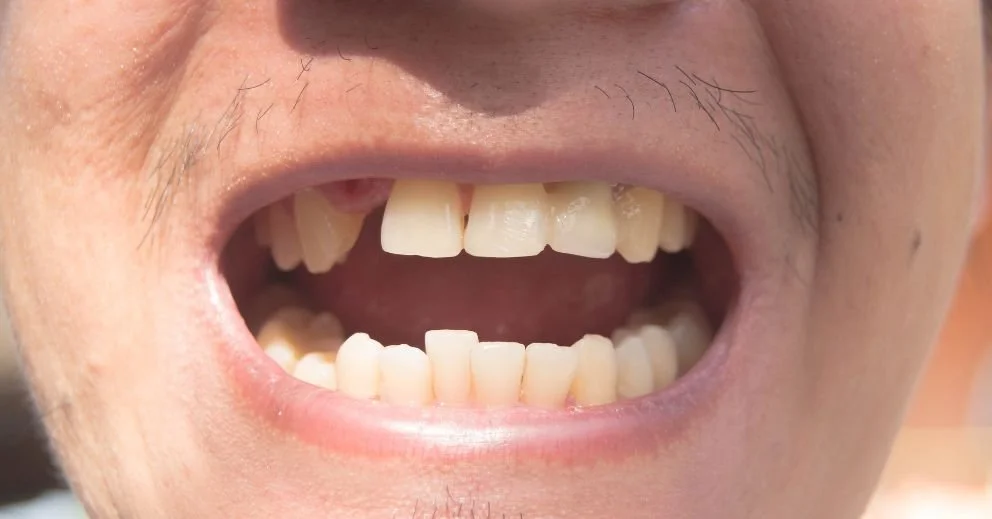
Losing a tooth can feel like a cosmetic problem at first. You might cover your smile in photos, feel a little self-conscious at dinner, and quietly decide to deal with it later. But the longer a missing tooth goes unreplaced, the more your mouth quietly works against you.
TLDR: Missing teeth do far more damage than most people realise. From bone loss and shifting teeth to difficulty eating and speaking, the consequences build up over time. Replacing missing teeth sooner rather than later protects your oral health, your face shape, and your quality of life.
Your Jawbone Starts to Shrink
Most people don't realise that your teeth do more than chew. Every time you bite down, the pressure travels through your tooth roots and stimulates the jawbone beneath. That stimulation tells your body to keep producing bone tissue in that area.
When a tooth is gone, that signal disappears. The jawbone in that spot no longer receives any stimulation, so your body gradually reabsorbs the bone. This process is called bone resorption, and it begins within just a few months of losing a tooth.
How much bone can you actually lose?
Bone loss after tooth loss is more significant than most people expect. Studies suggest you can lose up to 25% of bone width in the first year alone and the process continues for years if nothing is done to address it.
Over time, this bone loss changes the structure of your jaw and face. Your chin may appear to move closer to your nose, your cheeks can look sunken, and your face can take on a prematurely aged appearance. It's not just about the gap in your smile.
Why bone loss makes future treatment harder
If you eventually decide to replace a missing tooth after years of bone loss, your options may become more limited. Dental implants, for example, require sufficient bone density to anchor properly. Less bone can mean more complex procedures, higher costs, and longer treatment timelines.
Acting earlier almost always makes replacement simpler, more affordable, and more successful.
Your Remaining Teeth Start to Move
Teeth rely on each other for support. When one is missing, the teeth on either side of the gap gradually drift inward to fill the space. The tooth directly above or below the gap can also over-erupt, meaning it grows longer because it no longer has an opposing tooth to meet.
Shifting teeth cause bite problems
As teeth move out of alignment, your bite changes. You might notice you're chewing differently, favouring one side of your mouth, or experiencing jaw discomfort. These are signs that your bite is no longer balanced.
An uneven bite puts extra pressure on certain teeth, which accelerates wear and increases the risk of cracking or fracturing those teeth. What started as one missing tooth can become a much bigger problem across your whole mouth.
Crooked teeth are harder to clean
Teeth that have shifted are more difficult to brush and floss properly. Gaps and overlaps create hiding spots for plaque and bacteria, raising your risk of tooth decay and gum disease. It becomes a cycle: one missing tooth leads to shifting, which leads to harder-to-clean teeth, which leads to more tooth loss.
Eating, Speaking, and Daily Life Are Affected
It might seem easy to adapt to a missing tooth, and many people do, at least in the short term. But the adaptations you make often create their own problems.
Chewing becomes harder and less efficient
When you avoid chewing on one side of your mouth, the other side works overtime. This can lead to uneven jaw muscle development and put extra strain on your temporomandibular joint (the TMJ, the hinge joint connecting your jaw to your skull). TMJ issues can cause headaches, jaw pain, and clicking or locking of the jaw.
Poor chewing also affects digestion. When food isn't properly broken down before swallowing, your digestive system has to work harder, and you may not absorb nutrients as effectively.
Speech changes you might not notice at first
Teeth play a direct role in how you form certain sounds. Missing front teeth in particular can affect the way you pronounce words, causing a lisp or a slight whistle. Some people adapt so gradually they don't notice until someone else points it out.
Confidence and social comfort take a hit
It's worth acknowledging the emotional side of tooth loss. Many people with visible gaps feel self-conscious about smiling, laughing, or speaking in public. That kind of ongoing discomfort can affect confidence, relationships, and even professional situations in ways that are hard to quantify but very real.
Gum Disease Risk Goes Up
The gum tissue around a missing tooth doesn't just sit there unchanged. Without a tooth root to support it, the gum can gradually recede and become more vulnerable to infection. Food and bacteria can collect in the gap, and without proper stimulation, the gum tissue can break down over time.
The link between tooth loss and gum disease
Gum disease (periodontitis) is one of the leading causes of tooth loss in adults. But the relationship goes both ways. Existing gum disease can cause tooth loss, and tooth loss can create conditions that worsen gum health. Leaving a gap untreated makes it harder to maintain good oral hygiene across your whole mouth.
Systemic health connections worth knowing
There's growing evidence linking poor oral health to broader health conditions, including cardiovascular disease, diabetes complications, and respiratory issues. While the research is ongoing, most dental professionals agree that keeping your mouth healthy is part of keeping your whole body healthy.
What Are Your Options for Replacing Missing Teeth?
The good news is that there are several effective ways to replace missing teeth, and modern dental solutions are more comfortable, natural-looking, and accessible than many people expect.
Dentures
Dentures remain one of the most widely used and affordable options for replacing multiple missing teeth. Full dentures replace an entire arch of teeth, while partial dentures fill gaps when some natural teeth remain. Today's dentures are custom-fitted and designed to look and function naturally.
Implant-retained dentures
For those who want added stability, implant-retained dentures combine the coverage of traditional dentures with the security of dental implants. Small titanium implants are placed in the jawbone and the denture clips or locks onto them, reducing movement and improving comfort while eating and speaking.
Other restorative options
Dental bridges and single implant crowns are also common options, particularly for replacing one or two teeth. The right solution depends on how many teeth are missing, the condition of your jawbone and gums, your budget, and your lifestyle. A qualified dental professional can walk you through what suits your situation best.
Talk to DentureHaus About Replacing Missing Teeth
If you've been living with a gap in your smile, it's worth getting a proper assessment before the effects on your jaw and surrounding teeth become harder to address.
Our team at DentureHaus can help you understand your options for replacing missing teeth and find a solution that fits your life, whether that's traditional dentures, implant-retained dentures, or something in between. Contact us today and get a free consultation.
Key Takeaways
Bone loss begins within months of losing a tooth and continues if the gap isn't filled.
Surrounding teeth drift and tilt into the gap, causing bite problems and uneven wear.
Chewing difficulties can affect digestion, and speech changes may develop over time.
Gum disease risk increases around untreated gaps, which can lead to further tooth loss.
Replacing missing teeth sooner makes treatment simpler and preserves more of your natural bone.
Modern options like dentures and implant-retained dentures are comfortable, natural-looking, and customised to fit.
Leaving a gap is rarely a neutral choice. It sets off a chain of changes that affect your whole mouth.
FAQ
How soon does bone loss start after losing a tooth?
Bone resorption typically begins within the first few months after a tooth is lost. The most significant loss tends to happen in the first year, but the process can continue slowly for years if the gap isn't addressed.
This is one of the main reasons dental professionals recommend replacing missing teeth sooner rather than waiting to see how things settle.
Is it okay to leave a missing back tooth unreplaced since no one can see it?
It's a common assumption, but missing back teeth cause just as many structural problems as visible ones. Back teeth carry most of the chewing load, so losing one affects your bite, puts strain on remaining teeth, and still triggers bone loss in the jaw.
The fact that it's not visible doesn't mean it's not causing damage over time.
Can a gap close on its own if I leave it long enough?
Not in a helpful way. The gap won't fill with new tooth structure. Instead, neighbouring teeth gradually drift and tilt into the space, which misaligns your bite and can make future replacement more complicated or costly.
Are dentures a good long-term solution for missing teeth?
Dentures are a well-established, long-term solution that many Australians rely on comfortably for years. They're custom-made to fit your mouth and can be adjusted or relined over time as your jaw shape changes.
For added stability, implant-retained options are available and can significantly improve how dentures feel and function day to day.
At what point is it too late to replace a missing tooth?
It's rarely truly too late, but significant bone loss can limit certain options like dental implants. In those cases, bone grafting may be needed first, which adds time and cost to treatment.
The earlier you act, the more straightforward and affordable your options tend to be. If you've been putting it off, it's still worth getting an assessment to understand what's possible.