
How Bone Loss Affects Your Denture Options
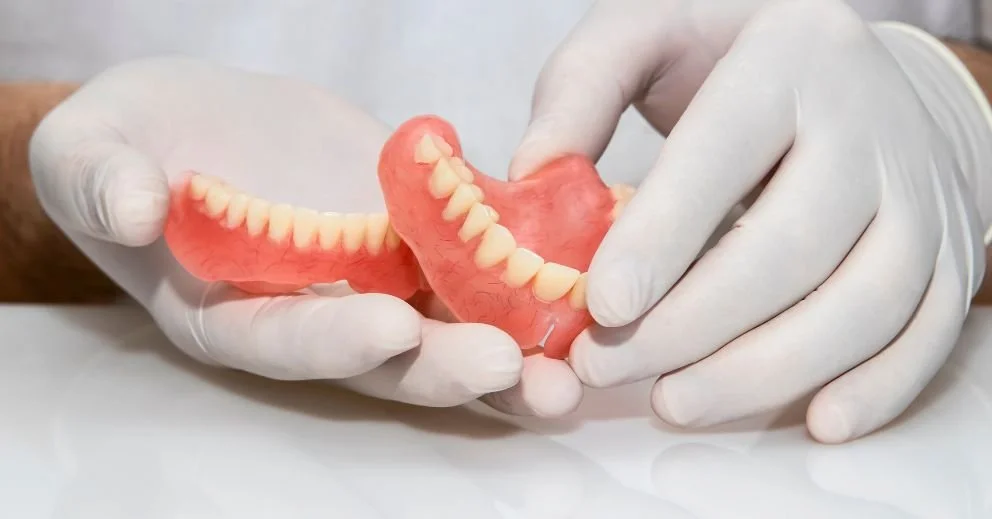
If you've been wearing dentures for a while, or you're just starting to explore tooth replacement options, you may have heard the term "bone loss" come up. It sounds alarming, but it's actually a very common part of the picture for people who've lost teeth. Understanding what's happening beneath the surface can make a real difference in the decisions you make about your dental care.
TLDR: When teeth are lost, the jawbone gradually shrinks because it no longer receives the stimulation it needs. This bone loss directly affects how well dentures fit, what types of dentures are suitable, and whether implant-supported options are on the table for you.
What Happens to Your Jaw After Tooth Loss
Why the jawbone shrinks over time
Your teeth do more than help you chew and smile. The roots of your teeth constantly stimulate the surrounding jawbone, signalling to your body that the bone is needed and should be maintained. When a tooth is removed, that stimulation stops almost immediately.
Without that signal, the body starts to reabsorb the bone in a process called resorption. It's a natural biological response, but it has real consequences for anyone considering dentures or other tooth replacement solutions.
How quickly does bone loss happen?
Bone loss tends to be most rapid in the first year after tooth extraction. Studies suggest that up to 25% of bone width can be lost in just the first 12 months. After that, the process slows down but doesn't stop entirely. It continues gradually for years and even decades.
The longer teeth have been missing, the more significant the bone changes are likely to be. This is why people who've worn conventional dentures for many years often find their fit deteriorates over time.
The ridge that dentures sit on
The bony ridge in your jaw is what traditional dentures rest on. As resorption continues, this ridge becomes flatter and narrower. Less bone means less surface area for a denture to grip, which is why loose or ill-fitting dentures are so common among long-term wearers.
For some people, the ridge can become so reduced that standard dentures become difficult to stabilise at all, even with adhesive products.
How Bone Loss Changes Your Denture Fit
The problem with dentures that no longer fit
A denture that fitted well when it was made can become loose and uncomfortable as the jaw changes shape. This isn't a sign that the denture was made poorly. It's simply the natural result of ongoing bone resorption beneath it.
Loose dentures can cause sore spots, difficulty chewing, and changes to how you speak. They can also accelerate bone loss further, because poorly fitting dentures can put uneven pressure on the ridge and contribute to faster resorption.
Signs that bone loss may be affecting your dentures
Your dentures feel looser than they used to, even after recent adjustments
You're using more denture adhesive than you used to
You notice sore spots or irritation on your gums
Your facial appearance seems to have changed, particularly around the lower jaw
You're avoiding certain foods because chewing has become difficult
Your dentures click or shift when you talk or laugh
Relining versus replacing dentures
When bone loss has changed the shape of your jaw, a denture reline can help restore a better fit. This involves adding material to the fitting surface of the denture so it matches your current ridge shape more closely.
Relining is a practical and cost-effective option for many people. However, if bone loss has been significant or the denture is quite old, a full replacement may give you better long-term results. A qualified prosthetist can assess which approach suits your situation.
Your Denture Options When Bone Loss Is a Factor
Conventional full dentures
Traditional full dentures are still a viable option for many people, even with some degree of bone loss. They're removable, relatively affordable, and can be remade or relined as your jaw continues to change.
The main limitation is that their stability depends heavily on the ridge. If bone loss is significant, conventional dentures may not provide the grip and comfort you're hoping for, and you may find yourself relying on adhesives more than you'd like.
Implant-retained dentures
Implant-retained dentures (sometimes called implant-supported dentures or snap-on dentures) use dental implants placed in the jawbone as anchor points. The denture clips or locks onto these implants, giving it a much more stable base than a conventional denture can achieve on its own.
The important thing to know is that implants require sufficient bone to be placed successfully. If bone loss is advanced, there may not be enough bone volume to support implants without additional procedures. This is where a thorough assessment becomes really important.
Bone grafting and what it means for your options
If you'd like implant-supported dentures but don't currently have enough bone, bone grafting is sometimes an option. This is a procedure where bone material is added to the jaw to build up volume before implants are placed.
Grafting isn't the right path for everyone, and it does add time and cost to the process. But for people who are otherwise good candidates for implants, it can open up options that wouldn't otherwise be available. Your dental team can advise whether this is worth exploring in your case.
Flexible and partial dentures
If you still have some natural teeth remaining, partial dentures are another route. Flexible partial dentures in particular can adapt reasonably well to changes in the mouth over time. They're not immune to the effects of bone loss, but they tend to be more comfortable than rigid acrylic partials for some people.
The presence of remaining natural teeth also helps slow bone loss in those areas, which can work in your favour when it comes to long-term denture stability.
Slowing Bone Loss and Protecting Your Investment
Why acting sooner matters
One of the most important things to understand about bone loss is that timing matters. The earlier you replace missing teeth, the less bone you lose before a solution is in place. If implants are something you're considering, getting assessed sooner rather than later gives you more options.
Even if implants aren't on your radar, getting well-fitted dentures promptly after tooth loss can help reduce the uneven pressure that speeds up resorption.
Regular reviews and maintenance
Dentures aren't a set-and-forget solution. Regular check-ups with a prosthetist help catch changes in fit before they become serious problems. Most people benefit from having their dentures reviewed every one to two years, though this varies depending on your age, how much bone loss you've experienced, and how quickly your jaw is changing.
Keeping up with these reviews can save you discomfort and money in the long run, because small adjustments are much easier and less costly than waiting until a full replacement is needed.
Nutrition and oral health habits
Good nutrition plays a supporting role in bone health. Adequate calcium and vitamin D intake can help maintain bone density generally, though it won't reverse resorption that's already occurred. Staying on top of your overall health and discussing any concerns with your GP is always worthwhile.
Keeping your dentures and any remaining teeth clean also matters. Gum disease around remaining teeth can accelerate bone loss in those areas, which affects the overall landscape of your mouth.
Concerned About Bone Loss and Your Dentures?
If you'd like to understand how bone loss is affecting your current dentures or explore what options might suit you, the team at DentureHaus is happy to help. Book a consultation and get a clear picture of where you stand.
Key Takeaways
Bone loss after tooth extraction is a natural process, but it directly affects how well dentures fit over time
The jawbone ridge shrinks without the stimulation that tooth roots used to provide
Loose or ill-fitting dentures are often a sign that bone resorption has changed the shape of your jaw
Relining can restore fit in many cases; full replacement may be better when bone loss is more advanced
Implant-retained dentures offer greater stability but require sufficient bone volume to be placed
Bone grafting can sometimes restore enough bone for implants to be possible
Acting early after tooth loss preserves more options for the future
Regular denture reviews every one to two years help maintain comfort and function as your jaw changes
FAQ
Can I still get implants if I've been wearing dentures for many years?
Possibly, but it depends on how much bone remains in your jaw. Long-term denture wearers often have significant bone loss, which can make standard implant placement difficult. A cone beam CT scan is typically used to assess bone volume before any decisions are made.
If bone volume is insufficient, a bone grafting procedure may be an option to rebuild the jaw before implants are placed. Not everyone is a candidate for this, so a thorough assessment with a qualified dental professional is the right starting point.
How do I know if my dentures need relining or replacing?
If your dentures feel noticeably looser, you're experiencing sore spots, or you're going through a lot of adhesive, those are signs that the fit has changed. A reline is often the first step, particularly if the denture is still in good structural condition.
If the denture is more than five to seven years old, or if bone loss has been quite significant, a full replacement may give you a better outcome. Your prosthetist can examine the denture and your jaw to advise which approach makes more sense.
Does wearing dentures make bone loss worse?
Conventional dentures don't stimulate the jawbone the way natural teeth do, so bone resorption continues even after dentures are fitted. Poorly fitting dentures can actually accelerate the process by placing uneven pressure on the ridge.
Implant-supported dentures are the closest thing currently available to replacing the stimulation of natural tooth roots, which is one of the reasons they're often recommended for people who want to slow ongoing bone loss.
Is bone grafting painful, and how long does recovery take?
Bone grafting is a surgical procedure typically carried out under local anaesthetic, sometimes with sedation. Discomfort during recovery is common but manageable with pain relief. Most people return to normal daily activities within a few days, though the graft itself takes several months to integrate before implants can be placed.
Your dental team will walk you through what to expect before, during, and after the procedure so you can plan accordingly.