
How Long Does a Custom Mouthguard Really Last?
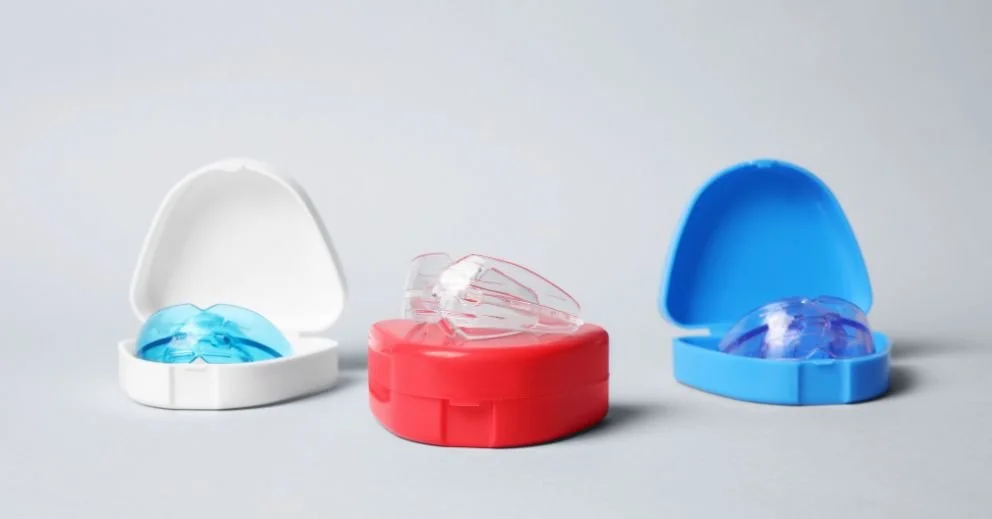
Denture Haus custom mouthguard designed to protect teeth during sports and prevent damage from teeth grinding.
Here's a myth worth busting straight away: a mouthguard is not a "buy once, use forever" kind of product. A lot of people assume that because it's custom-made, it should last as long as their teeth do.
That's simply not how it works, and believing it can leave you wearing a guard that's doing far less than you think.
TLDR: A custom-fitted mouthguard typically lasts one to three years, depending on how often you wear it, how you look after it, and whether your teeth or jaw shape change. Signs like cracks, looseness, odour, or visible wear mean it's time for a replacement rather than pushing on with a guard that's no longer protecting you properly.
Why Custom Mouthguards Don't Last Indefinitely
A custom mouthguard is moulded to fit your mouth at a specific point in time. That precision is exactly why it protects so well, but it's also why the fit can shift over months and years.
Material Breakdown Over Time
The material used in a custom guard is durable, but it's not indestructible. Repeated biting, grinding, and exposure to saliva and temperature changes gradually wear it down.
Over time you might notice thinning in the areas where your teeth clench hardest. That thinning reduces the shock-absorbing quality the guard is meant to provide.
Changes In Your Mouth
Teeth can shift slightly over the years, even in adults. Dental work like a new crown, a filling, or having a tooth removed can also change the shape of your bite.
When your mouth changes, a guard moulded to the old shape won't sit as snugly. That gap between guard and teeth is where a lot of the protection gets lost.
Typical Lifespan Depending On How You Use It
There's no single answer here because usage varies so much from person to person. A guard worn a few nights a week for mild grinding will outlast one worn every day for full-contact sport.
Sport Vs Night Guard Use
Sports mouthguards used for training and matches: roughly one to two years
Night guards for teeth grinding (bruxism): one to three years, sometimes longer with light grinding
Guards used occasionally, such as for weekend sport: can last closer to three years
How Grinding Intensity Changes The Timeline
Heavy grinders often chew through a guard faster than they expect. If you wake up to find visible tooth-shaped indentations or holes forming, that's a sign the intensity of your grinding is shortening the guard's working life.
It's worth mentioning this to your dentist, since a change in grinding pattern can also point to stress, sleep issues, or an unrelated dental problem worth checking.
Signs Your Mouthguard Needs Replacing
Most people wait too long to replace a mouthguard simply because it still technically fits in their mouth. Fitting and functioning properly are two different things.
Physical Wear And Tear
Visible cracks, tears, or thin spots
Holes or bite-through marks
Discolouration that won't clean off
A rough or flaking surface texture
Fit And Comfort Changes
It feels loose or slips out during wear
You notice gaps between the guard and your teeth
Persistent bad odour even after cleaning
Jaw soreness or headaches that weren't there before
If any of these sound familiar, it's a reasonably clear signal the guard has done its job and it's time for a new one.
Getting More Life Out Of Your Custom Mouthguard
Good habits won't make a guard last forever, but they can stretch its useful life and keep it more hygienic in the meantime.
Daily Care Habits
Rinse it under cool water immediately after use
Brush it gently with a soft toothbrush, not toothpaste with abrasives
Avoid hot water, which can warp the shape
Store it in a vented, hard case rather than a pocket or bag
Habits That Shorten Its Lifespan
Leaving a guard in direct sunlight, a hot car, or near a heater is one of the quickest ways to warp it out of shape. Chewing on it absentmindedly while it's not properly seated also speeds up wear.
Skipping regular cleaning lets bacteria build up, which affects both hygiene and the material's condition over time.
When To Book A Check With Your Dentist
Even a guard that looks fine on the outside can have lost some of its protective quality. A dental check is the most reliable way to know for sure.
This is particularly worth doing if you've had any dental work since your last guard was made, or if it's been more than two years since your last check-up on the fit. DentureHaus can assess whether your current mouthguard is still doing its job or whether a fresh mould is the better option, especially for patients balancing dentures or other dental appliances alongside sport or grinding concerns.
Make Sure Your Mouthguard Still Fits Properly
If your mouthguard is starting to feel less snug or you can't remember the last time it was checked, it might be time to have it looked at. DentureHaus can help you work out whether your current guard is still up to the job or whether a new one makes more sense for your teeth and your routine.
Book an appointment and have your mouthguard checked.
Key Takeaways
Custom mouthguards typically last one to three years depending on use
Heavy grinders and regular sports players tend to replace theirs sooner
Cracks, looseness, odour, and jaw discomfort are all signs it's time for a new one
Changes to your teeth or bite from dental work can affect fit even if the guard looks fine
Proper storage and cleaning help extend the guard's working life, but won't make it last forever
FAQ
Can I keep using a mouthguard that still fits but looks a bit worn?
You can, but a worn guard often provides less cushioning than it looks like it does. Thin spots or surface wear can reduce shock absorption even if the overall fit still feels okay.
Does a custom mouthguard need replacing after dental treatment like a crown or extraction?
Often yes, because changes to your teeth can alter how the guard sits. It's worth having it checked after any significant dental work rather than assuming it will still fit the same way.
Is it normal for a mouthguard to smell even after cleaning?
A lingering smell usually means bacteria or moisture has built up in the material over time. If regular cleaning doesn't fix it, that's often a sign the guard has reached the end of its useful life.
How do I know if my mouthguard is the reason for jaw soreness?
If soreness started after your guard began feeling different, such as looser or thinner in spots, the fit is a reasonable place to start looking. A dentist can check whether it's the guard or something else going on with your bite.
Can a mouthguard be adjusted instead of replaced?
Minor adjustments are sometimes possible, but once the material has thinned or cracked, a repair generally won't restore full protection. In most cases a new mould is the more reliable option.