
Can Implant Dentures Improve Your Chewing Strength?
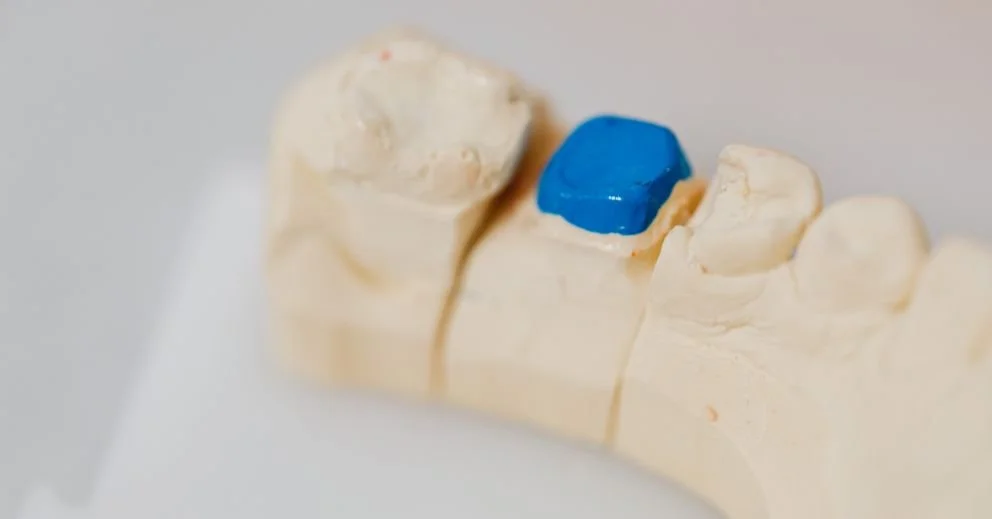
If you've ever avoided steak, apples, or anything crunchy because your dentures shift or slip, you already know the problem isn't your appetite. It's the way traditional dentures sit on your gums with nothing to anchor them down.
Here's how to work out whether implant dentures could actually change that, step by step, so you're not just guessing.
TLDR: Implant dentures anchor to titanium posts fixed in your jawbone, which gives you a much firmer bite than traditional dentures resting on gums alone. Most people notice a real difference in chewing strength, especially with harder or chewier foods. Whether they're right for you depends on your bone health, budget, and how many implants you choose to support the denture.
Why Traditional Dentures Limit Your Bite Force
Traditional dentures sit on top of your gums and are held in place by suction, adhesive, and the shape of your jaw. That works reasonably well for speaking and light eating, but it has a ceiling.
Every time you bite down hard, there's a risk the denture will rock, lift, or slide. Your brain picks up on this and, over time, you start chewing more cautiously without even realising it.
What Happens to Bone Over Time
Once teeth are gone, the jawbone underneath starts to shrink because it's no longer being stimulated by tooth roots. This is called bone resorption.
Gums become flatter and less able to grip a denture
Fit gets looser even if the denture itself hasn't changed
Chewing strength drops further as the base loses stability
Signs Your Chewing Strength Has Dropped
Most people don't notice this decline in one dramatic moment. It creeps up gradually.
Avoiding meat, nuts, or raw vegetables
Cutting food into smaller pieces than you used to
Sore spots after eating anything firm
Denture clicking or moving mid-meal
How Implant Dentures Change the Chewing Equation
Implant dentures work differently because they're anchored to titanium posts that are placed directly into the jawbone. Once the bone heals around the implant, it becomes a stable, fixed point, similar to a natural tooth root.
That fixed anchor point is the whole reason implant dentures can handle more force. There's no rocking, no slipping, and no gum tissue absorbing the pressure of every bite.
The Step-by-Step Process, From Consultation to Confident Chewing
Initial consultation and assessment of jawbone density and gum health
Treatment planning to decide how many implants are needed to support your denture
Implant placement, where posts are fitted into the jawbone
Healing period, usually several months, allowing the bone to fuse to the implants
Fitting of the final implant-supported denture once healing is confirmed
Each step matters because rushing the healing phase is one of the main reasons implant-supported restorations fail. Patience here pays off in long-term stability.
Types of Implant-Supported Dentures
Not every implant denture setup is the same, and the option that suits you depends on your bone health and how much support you need.
Bar-retained dentures, clipped onto a metal bar attached to implants
Ball-retained dentures, using individual attachments on each implant
Fixed implant dentures, which don't come out and are cared for like natural teeth
What the Research and Real-World Feedback Show About Chewing Force
Dental studies comparing bite force between traditional and implant-supported dentures consistently show implant wearers can bite significantly harder. Some report chewing efficiency improving several times over compared to conventional dentures.
More importantly, patients often describe getting back foods they'd quietly given up on. Apples, crusty bread, and firmer cuts of meat go from off-limits to manageable again.
Why the Difference Feels So Noticeable
It's not just about raw strength. It's about confidence. When you're not worried about a denture slipping, you naturally relax your jaw and chew more normally.
That relaxed, natural chewing pattern also helps with digestion, since food gets broken down more thoroughly before it's swallowed.
Are Implant Dentures Right for Your Situation?
Implant dentures aren't automatically the best choice for everyone, and a good provider should walk you through the trade-offs honestly.
Good Candidates Usually Have
Enough remaining jawbone density to support implants
Good general health, since healing time matters
Realistic expectations about the treatment timeline
Situations That Need Extra Planning
Significant bone loss, which may require a bone graft first
Certain medical conditions that affect healing
Budget considerations, since implant dentures cost more upfront than traditional ones
A proper assessment, including scans of your jawbone, is the only reliable way to know where you stand. This is something the team at DentureHaus can talk through with you as part of an initial consultation, whether you're weighing up implants for the first time or replacing dentures that have never quite felt secure.
Living With Implant Dentures Day to Day
Once you're through the healing phase, day-to-day life with implant dentures is much closer to having natural teeth than most people expect.
Caring for Implant Dentures
Clean around the implants daily to prevent gum inflammation
Attend regular check-ups so the fit and implants can be monitored
Avoid extremely hard foods like ice, even with implants, to protect the restoration
What Improves Beyond Chewing
Clearer speech, since the denture doesn't shift when talking
Better jawbone preservation, since implants stimulate the bone
Improved confidence in social situations and shared meals
Chew With Confidence Again With Implant Dentures
If chewing has become something you think twice about rather than something you take for granted, it might be worth exploring whether implant dentures could change that. The team at DentureHaus can assess your jawbone health and talk through whether implant-supported dentures suit your situation, no pressure, just clear answers.
Get in touch to schedule your free consultation today!
Key Takeaways
Traditional dentures rely on suction and gum contact, which limits how hard you can safely bite
Implant dentures anchor to the jawbone, giving a noticeably stronger and more stable bite
Bone density and general health determine whether you're a good candidate
The process involves consultation, implant placement, healing, and final fitting, usually over several months
Ongoing care and check-ups keep implant dentures functioning well long-term
FAQ
How much harder can you actually bite with implant dentures compared to regular ones?
It varies from person to person, but many patients report being able to eat foods like apples, nuts, and firmer meats that felt impossible with traditional dentures. The improvement comes from the fixed anchor point rather than a loose fit on the gums.
Do implant dentures ever need to be replaced or adjusted over time?
The denture component itself may need adjustment or eventual replacement due to normal wear, while the implants generally last much longer if cared for properly. Regular check-ups help catch any changes in fit early.
Is there a minimum number of implants needed to support a full denture?
This depends on the type of implant denture and your jaw structure, but some options use as few as two implants for a lower denture. Your provider will assess your bone and recommend the number needed for stability.
What's the recovery like after having implants placed?
Most people experience some swelling and tenderness for a few days, manageable with standard pain relief. Full bone healing before the final denture is fitted usually takes a few months.
Can implant dentures fail, and what causes that?
It's uncommon, but implants can fail if there isn't enough bone support, if healing is disrupted, or if oral hygiene around the implants is poor. Choosing an experienced provider and following aftercare advice reduces this risk significantly.