
What to Expect in the First 24 Hours After Getting New Dentures
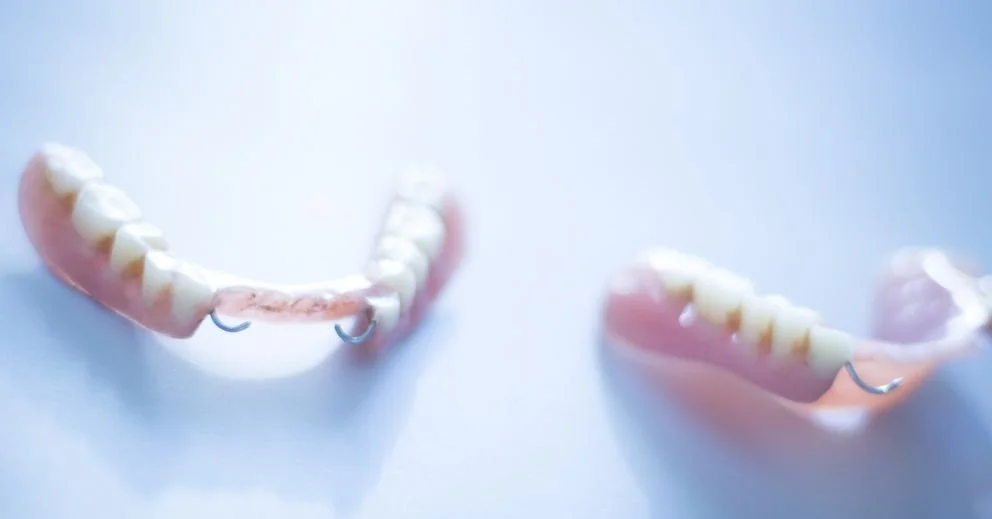
Getting new dentures is a big step towards improving your comfort, confidence, and ability to eat and speak with ease.
Even when dentures are carefully designed and professionally fitted, the first 24 hours can feel unfamiliar as your mouth adjusts to something new. Knowing what to expect can help reduce anxiety and make the transition smoother.
Summary: The first 24 hours after getting new dentures often involve mild soreness, increased saliva, and a period of adjustment with speaking and eating. These responses are completely normal as your mouth adapts. With the right care, realistic expectations, and professional guidance, most people settle into their new dentures much faster than they expect.
Mild soreness and pressure are normal
It is very common to feel pressure, tenderness, or mild soreness once your dentures are placed. Your gums, cheeks, and tongue are adjusting to a new shape and surface, which can feel strange at first.
This discomfort is usually temporary. If certain areas feel particularly sore, it is important not to try adjusting the dentures yourself. A professional adjustment can quickly relieve pressure points and improve comfort.
Increased saliva and a full-mouth feeling
Many people notice increased saliva in the first day. This happens because your mouth senses a new object and responds by producing more saliva.
You may also feel like your mouth is full or crowded. This sensation typically reduces as your muscles and tongue adapt to the dentures over the first few days.
Speaking may feel different at first
Pronouncing certain words or sounds can feel awkward initially. This is normal and usually improves quickly with practice.
Reading aloud, speaking slowly, and repeating challenging words can help your mouth adjust faster. Most people notice a clear improvement within the first day or two.
Eating will take some adjustment
Eating with new dentures in the first 24 hours should be approached gently. Soft foods are usually recommended while you get used to chewing and controlling the dentures.
Helpful tips include:
Cutting food into small pieces
Chewing slowly and evenly on both sides
Avoiding very hard or sticky foods initially
As confidence improves, you can gradually return to a wider range of foods.
Wearing your dentures as advised
In some cases, you may be advised to wear your dentures continuously for the first 24 hours, including overnight. This helps identify pressure points and allows for more accurate adjustments at your follow-up appointment.
Always follow the specific instructions provided by your denture professional, as recommendations can vary depending on your individual treatment.
Cleaning and caring for your new dentures
Even on the first day, gentle cleaning is important. Your denture professional will explain how to clean your dentures properly and how to care for your gums.
Avoid using harsh cleaners or hot water, as these can damage dentures. Proper care from the start helps maintain comfort and appearance.
When to seek an adjustment
Some discomfort is normal, but ongoing pain or sore spots should not be ignored. Dentures are designed to be comfortable, and small adjustments are a normal part of the fitting process.
Early follow-up visits help fine-tune the fit and ensure your mouth is adapting well.
Support at Every Stage of Your Denture Journey
Adjusting to new dentures takes time, but you do not have to manage the process on your own. Denture Haus has been creating comfortable, natural-looking dentures in Aspley for over 25 years, supporting patients through every stage of their denture journey.
If you would like guidance or want to explore your options, contact the team to arrange a consultation and take a confident step forward.
Key takeaways
Mild soreness and pressure are normal in the first 24 hours
Increased saliva and a full feeling usually settle quickly
Speaking and eating improve with practice
Soft foods and slow chewing help early on
Professional adjustments are part of the process
FAQs
Is it normal to feel uncomfortable at first?
Yes. Some discomfort is expected as your mouth adjusts, but it should improve with time and proper adjustments.
Should I sleep with my dentures in on the first night?
This depends on your individual situation. Follow the advice given by your denture professional.
How soon will my dentures feel normal?
Many people feel more comfortable within a few days, with continued improvement over the following weeks.