
The Most Common Myths About Wearing Dentures
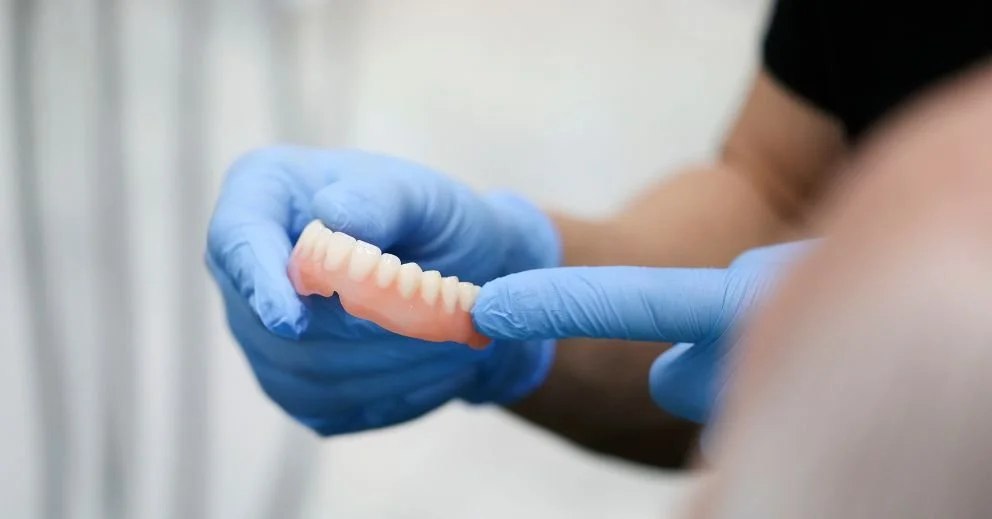
Someone tells you dentures will slip when you laugh, or that you'll never eat steak again, or that everyone can spot a denture wearer from across the room.
None of that is really true anymore, but the myths stick around anyway, passed on from a grandparent's experience decades ago or a story a mate heard from a mate. It's time to sort fact from fiction.
TLDR: Most of what people believe about dentures is outdated, based on old-style dentures or one bad experience rather than how modern dentures actually work. This article clears up the biggest myths around comfort, appearance, eating, cost, and care, so you can make a decision based on facts rather than old wives' tales.
Why Denture Myths Stick Around
A lot of what people "know" about dentures comes from decades-old experiences, not current reality. Denture materials, fitting techniques, and design have all moved on a long way since the ill-fitting plates people remember from their grandparents.
Once a myth gets repeated enough times, it starts to feel like common sense, even when it's not backed by anything current.
Old Dentures vs Modern Dentures
Older dentures were often bulkier, made from harder acrylics, and fitted using less precise techniques. Modern dentures use better materials and more accurate impressions, which makes a real difference to comfort and fit.
Word of Mouth Isn't Always Reliable
One person's bad experience with an ill-fitting denture years ago often gets passed around as if it applies to everyone, forever. It rarely reflects what a properly fitted denture today actually feels like.
Myth: Dentures Look Fake and Obvious
This is probably the most common concern people raise, and it's understandable given how dentures used to look. But this myth doesn't hold up against what's possible with a well made, properly fitted set today.
What Actually Affects How Natural Dentures Look
Tooth shape, size, and shade matched to your face and skin tone
Gum-coloured base material that mimics natural gum texture
Proper fit so the denture sits correctly against your jaw and lips
Attention to how your smile looks when you talk and laugh, not just at rest
A denture that's been custom fitted and shaded to suit you shouldn't announce itself. Most people simply won't clock it unless you tell them.
Myth: You Can't Eat Normally With Dentures
People often assume dentures mean a lifetime of soft food and giving up on the meals they love. That's not the full picture, though it does take a bit of adjustment early on.
What Changes in the First Few Weeks
New denture wearers usually need a short adjustment period where chewing feels a bit different. Starting with softer foods and gradually working up to firmer textures helps your mouth adapt.
What's Realistic Long Term
Most people return to a fairly normal, varied diet
Cutting tougher foods into smaller pieces makes chewing easier
Well-fitted dentures make a bigger difference to eating comfort than people expect
Regular check-ups help keep the fit accurate as your mouth changes over time
Myth: Dentures Are Uncomfortable and Always Slip
This myth usually comes from experience with older or poorly fitted dentures, not from how a properly made denture should perform. Slipping and rubbing are signs of a fit issue, not something you have to just live with.
Common Causes of Discomfort
A denture that no longer matches the shape of your gums due to natural bone changes
An initial fitting that wasn't quite accurate
Wearing the same denture for years without a review
Not using adhesive correctly, if it's needed at all
What a Good Fit Should Feel Like
A properly fitted denture should feel stable when you talk, eat, and laugh. If yours doesn't, that's worth raising at your next appointment rather than assuming it's just part of wearing dentures.
Myth: Dentures Are a "Set and Forget" Solution
Some people think once you get dentures, that's the end of the story. In reality, your mouth keeps changing over time, and your dentures need attention to keep up.
Why Fit Changes Over Time
Your jawbone and gums naturally reshape over months and years, especially after teeth are removed. That means a denture that fit perfectly at first may loosen gradually, even if you're doing everything right.
Simple Habits That Help
Cleaning your dentures daily, not just soaking them
Booking regular check-ups so fit and health can be reviewed
Removing dentures at night to give your gums a rest
Flagging any soreness or looseness early rather than waiting
Myth: Only Older People Wear Dentures
Dentures are often pictured as something only for people well into retirement, but that's not accurate. Tooth loss can happen at any age, through injury, decay, gum disease, or medical conditions.
Reasons People Need Dentures Earlier in Life
Accidents or sports injuries resulting in tooth loss
Advanced gum disease that isn't age related
Medical treatments that impact oral health
Whatever the reason, the process and the options available are the same regardless of age, and a well fitted denture can restore both function and confidence at any stage of life.
Get the Facts About Dentures From DentureHaus
If any of these myths sound familiar, it might be worth getting a proper assessment rather than relying on old assumptions. The team at DentureHaus can talk you through your options and help you separate what's actually true about dentures from what's just been passed down over the years.
It's a straightforward first step, whether you're considering dentures for the first time or wondering if your current set still fits the way it should. Book your free consultation today!
Key Takeaways
Most denture myths come from outdated designs or one-off bad experiences, not how modern dentures actually perform
A well fitted, properly shaded denture can look genuinely natural
Eating normally is realistic after an adjustment period, especially with a good fit
Slipping and discomfort usually point to a fit issue, not an unavoidable part of wearing dentures
Dentures need ongoing care and check-ups as your mouth changes over time
Tooth loss and denture use aren't limited to any one age group
FAQ
How do I know if my current dentures no longer fit properly?
Signs include looseness, rubbing, sore spots, or food getting trapped underneath more than usual. If you're relying heavily on adhesive to keep them in place, that's often a sign the fit needs reviewing.
Will getting used to new dentures take a long time?
Most people notice the biggest adjustment in the first few weeks, particularly with speech and chewing. It typically settles as your mouth and muscles get used to the new shape.
Can dentures affect the way I speak?
There can be a short adjustment period where certain sounds feel a bit different, especially words with "s" or "f" sounds. This usually improves quickly with a bit of practice reading aloud or talking normally at home.
What happens if I ignore a poor denture fit for too long?
Beyond ongoing discomfort, an ill-fitting denture left unaddressed can lead to sore spots, gum irritation, and even changes in how you chew. Getting it checked sooner rather than later tends to make the fix simpler.
Do dentures need to be replaced eventually, or can they last forever?
Dentures don't last indefinitely. As your gums and jawbone shift over time, the fit can change, and most people find they need adjustments, relines, or a new set every several years.