
Soft vs Hard Denture Liners: Which One Is Best for Comfort?
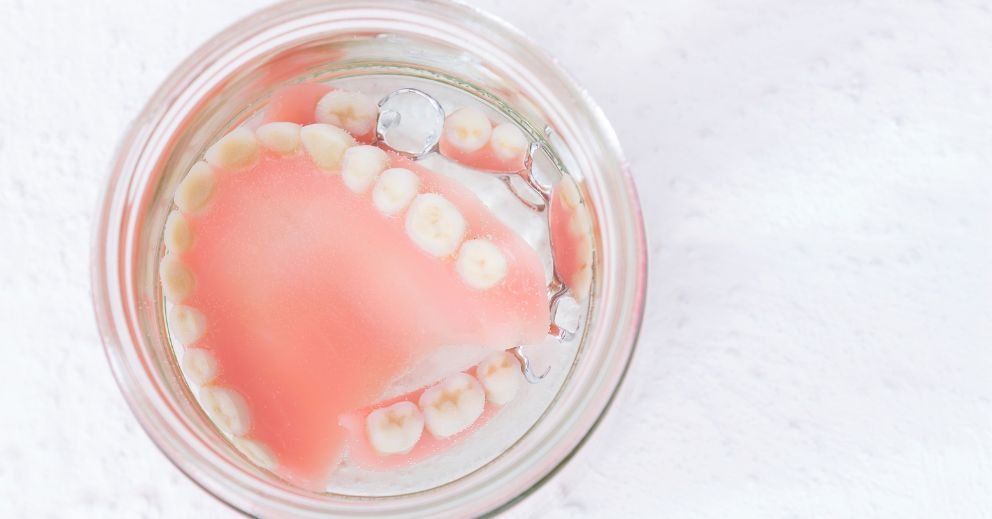
If your dentures don’t feel as comfortable as they used to, or you’ve recently been told you need a reline, you’ve probably heard about soft and hard denture liners. Choosing between them can feel confusing, especially when comfort is your main concern.
The truth is, neither option is automatically better. The right choice depends on your gums, how your dentures fit, and how your mouth is changing over time.
Summary: Soft and hard denture liners serve different purposes. Soft liners provide cushioning and immediate comfort for sore or sensitive gums, while hard liners offer a longer-lasting, more stable fit once your mouth has settled. Understanding how each liner works helps you choose the option that gives you the best comfort and function, not just short-term relief.
Summarize this Denture Haus article in ChatGPT
What is a denture liner, in simple terms?
A denture liner is the material added to the inside surface of your denture, the part that sits directly against your gums. Its job is to improve fit and comfort by compensating for changes in your gums and jaw.
Over time, gums naturally shrink and change shape. When that happens, dentures can feel loose, rub, or cause sore spots. A liner helps restore contact between the denture and your gums.
What is a soft denture liner?
A soft denture liner is made from a flexible, cushioned material. It acts a bit like a shock absorber between your denture and your gums.
Benefits of soft liners
Gentler on sore, thin, or sensitive gums
Can reduce pressure points and rubbing
Often more comfortable straight away
Helpful if your gums are still changing
When soft liners are usually recommended
Soft liners are often used when:
Your gums are tender or inflamed
You’ve recently had extractions
Your mouth is still adapting to dentures
You experience pain with firm acrylic liners
They’re commonly used as a short to medium-term solution rather than a permanent fix.
Downsides to consider
They wear out faster than hard liners
Can absorb stains or odours over time
Usually need replacing more often
What is a hard denture liner?
A hard denture liner is made from firm acrylic material, similar to the denture base itself. It reshapes the inside of the denture to match your gums more accurately.
Benefits of hard liners
Long-lasting and durable
Provides a stable, secure fit
Easier to keep clean
Maintains shape well over time
When hard liners are usually recommended
Hard liners are often the best option when:
Your gums have stabilised
You want a long-term improvement in fit
Your dentures are otherwise in good condition
You don’t have ongoing gum soreness
For many people, a hard liner offers the best balance of comfort and durability once the mouth has settled.
Downsides to consider
Less cushioning than soft liners
May feel firm initially if gums are very sensitive
Which one is best for comfort?
Comfort means different things depending on your situation.
If your gums are sore, tender, or easily irritated, a soft liner usually feels more comfortable in the short term.
If your gums are healthy and stable, a hard liner often provides better comfort long-term because it improves fit and reduces movement.
In many cases, people start with a soft liner and later transition to a hard liner once the gums settle.
Can you switch from a soft liner to a hard liner?
Yes, and it’s very common.
A soft liner can be a great temporary solution while your mouth is healing or adjusting. Once things stabilise, switching to a hard liner often gives better durability and overall function.
Your denture professional will guide you on timing so you don’t replace liners too early or wait too long.
How long do denture liners last?
This varies depending on the type of liner and how you care for your dentures.
Soft liners: often need replacing sooner due to wear and material breakdown
Hard liners: generally last longer and hold their shape better
Good cleaning habits and regular check-ups help extend the life of both.
Signs your liner may need attention
You might need a review if:
Your dentures feel loose again
You notice sore spots or rubbing
The liner looks worn, cracked, or discoloured
Your bite feels uneven
Comfort has gradually decreased
Ignoring these signs can lead to ongoing discomfort and further fit issues.
Get advice tailored to your comfort
At Denture Haus, we believe everyone deserves to smile with comfort and confidence. Based in Aspley, Brisbane, we’ve been creating beautiful, natural-looking dentures for over 25 years, and we take the time to recommend the liner that truly suits your mouth, not just a one-size-fits-all option.
If your dentures aren’t as comfortable as they should be, book a free consultation with Denture Haus today and get personalised advice on whether a soft or hard denture liner is right for you. Call to set your appointment today.
Key takeaways
Soft liners offer cushioning and short-term comfort for sensitive gums
Hard liners provide a stable, long-lasting fit once gums are settled
The best option depends on gum health, denture fit, and stage of adjustment
Many people use both at different stages
Professional advice ensures comfort and longevity
FAQ
What’s the difference between a soft and a hard denture liner?
A soft liner is flexible and cushioned to reduce rubbing and pressure. A hard liner is firm acrylic that reshapes the denture’s fit for a more stable, longer-lasting result.
Which liner is best if my gums are sore or sensitive?
A soft liner is usually better short term because it cushions tender gums and can feel comfortable straight away, especially if your mouth is still adjusting.
Which liner is best for long-term comfort and fit?
A hard liner is often best once your gums have settled because it improves stability, reduces movement, and holds its shape well over time.
Can I start with a soft liner and switch to a hard liner later?
Yes. It’s common to use a soft liner while gums are healing or changing, then move to a hard liner for a more durable, secure fit once things stabilise.