
How to Stop Dentures from Slipping: Practical Tips for Everyday Confidence
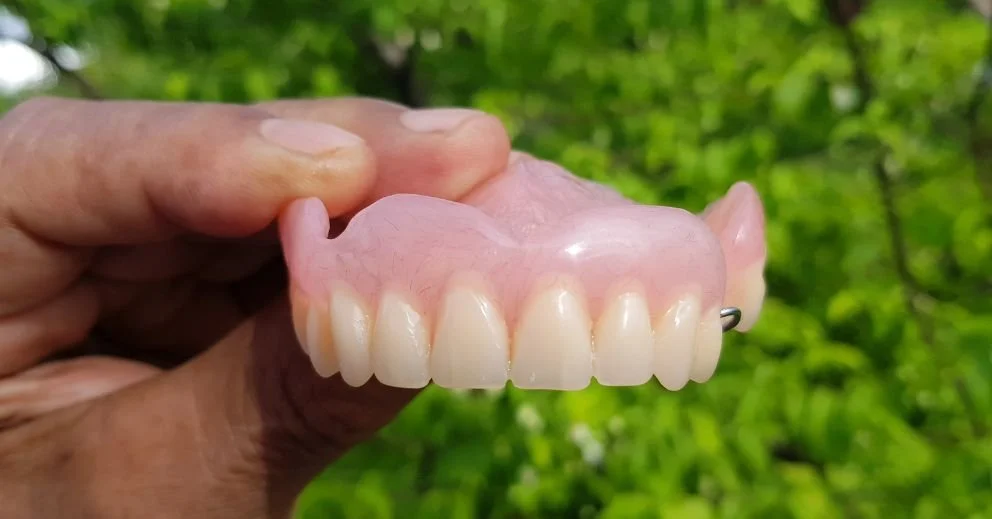
Dentures are designed to restore your ability to eat, speak, and smile with confidence. When they fit well, most people can go about their daily lives without constantly thinking about them. However, if dentures begin to slip or move, it can quickly become frustrating and uncomfortable.
Denture movement can happen for several reasons, including changes in your gums, natural wear of the dentures, or simply needing small adjustments. The good news is that there are practical solutions that can help improve denture stability and restore confidence in everyday situations.
Summary: Dentures may slip if the fit changes over time, if the jawbone naturally shrinks, or if the dentures have worn down. Simple steps such as improving denture hygiene, using denture adhesive correctly, adjusting eating habits, and scheduling professional denture adjustments can help improve stability. If slipping becomes frequent, a denture reline or replacement may be recommended to restore a secure and comfortable fit.
Why dentures sometimes slip
Dentures rely on a precise fit between the denture base and the gums. When this fit changes, dentures may begin to move slightly during eating or speaking.
Common reasons dentures slip include:
natural changes in the jawbone over time
shrinking or reshaping of gum tissue
worn denture teeth or denture base
food particles trapped under the denture
insufficient suction or retention
Understanding the cause of slipping is often the first step in finding the right solution.
Keep dentures clean and well maintained
Good denture hygiene plays an important role in keeping dentures stable. When food particles or plaque build up on the denture surface, it can affect how the denture sits on the gums.
To maintain a secure fit:
clean dentures daily using a denture brush
rinse dentures after meals
soak dentures in a recommended cleaning solution
gently brush the gums and tongue to maintain oral health
Clean dentures tend to sit more comfortably and maintain better contact with the gums.
Use denture adhesive properly
Denture adhesives can provide additional stability for some people, particularly if minor movement occurs during eating or speaking.
When using denture adhesive:
apply small amounts rather than large quantities
ensure dentures are clean and dry before application
follow the manufacturer’s instructions carefully
remove adhesive residue during daily cleaning
Adhesives are designed to improve retention, but they should not be used as a long-term solution for poorly fitting dentures.
Adjust eating habits while adapting
If dentures feel slightly unstable, adjusting eating habits can help reduce movement.
Some helpful strategies include:
cutting food into smaller pieces
chewing slowly and evenly on both sides of the mouth
starting with softer foods if dentures are new
avoiding extremely sticky or hard foods initially
As confidence grows and dentures settle into place, eating typically becomes easier and more natural.
Check the fit of your dentures
Dentures are carefully made to match the shape of your mouth, but over time the gums and jawbone can change.
When this happens, dentures may require adjustments to maintain stability.
Signs that a professional adjustment may be needed include:
dentures shifting during speech
difficulty chewing certain foods
sore spots on the gums
frequent slipping despite adhesive use
A denture clinician can assess the fit and determine whether adjustments, relining, or replacement are needed.
When a denture reline may help
If dentures have become loose due to changes in the gums or jawbone, a denture reline may be recommended.
A reline reshapes the underside of the denture so it fits the current shape of your gums more closely. This can significantly improve stability and comfort without replacing the entire denture.
Relines are a common solution when dentures are still in good condition but no longer fit as securely as they once did.
When it may be time for new dentures
Even with proper care, dentures do not last forever. Over time, the materials can wear down and the shape of the mouth may change.
Replacing dentures may be recommended if:
slipping continues despite adjustments
the denture teeth are worn down
the denture base has become damaged
facial support has changed
New dentures can restore proper fit, improve chewing ability, and enhance overall comfort.
Supporting your comfort and confidence
Living with dentures should not mean worrying about them moving throughout the day. With the right care and professional support, dentures can remain stable, comfortable, and natural-looking.
At Denture Haus, the goal is simple: helping people smile with comfort and confidence. Based in Aspley, Brisbane, the team has been creating beautiful, natural-looking dentures for over 25 years. Get in touch today.
Key Takeaways
Dentures may slip due to natural changes in the gums or jawbone over time.
Good denture hygiene helps maintain stability and comfort.
Denture adhesives can provide temporary support when used correctly.
Eating smaller bites and chewing evenly can reduce denture movement.
Professional adjustments or relines can improve the fit of dentures.
Replacing worn dentures may restore comfort, function, and confidence.
FAQ
Why do my dentures suddenly start slipping?
Dentures often slip when the gums or jawbone change shape over time, affecting how the denture sits in the mouth.
Can denture adhesive stop dentures from slipping?
Adhesive can improve stability for minor movement, but it should not replace professional adjustments if dentures no longer fit properly.
What is a denture reline?
A denture reline reshapes the base of the denture so it fits the current shape of the gums more closely.
How long do dentures typically last?
With proper care, dentures can last several years, although adjustments or replacements may be needed as the mouth changes.
Should I see a denture clinician if my dentures feel loose?
Yes. A professional assessment can determine whether adjustments, relining, or replacement will help restore a secure and comfortable fit.