
How to Prepare for Your First Denture Fitting: A Simple Step-by-Step Guide
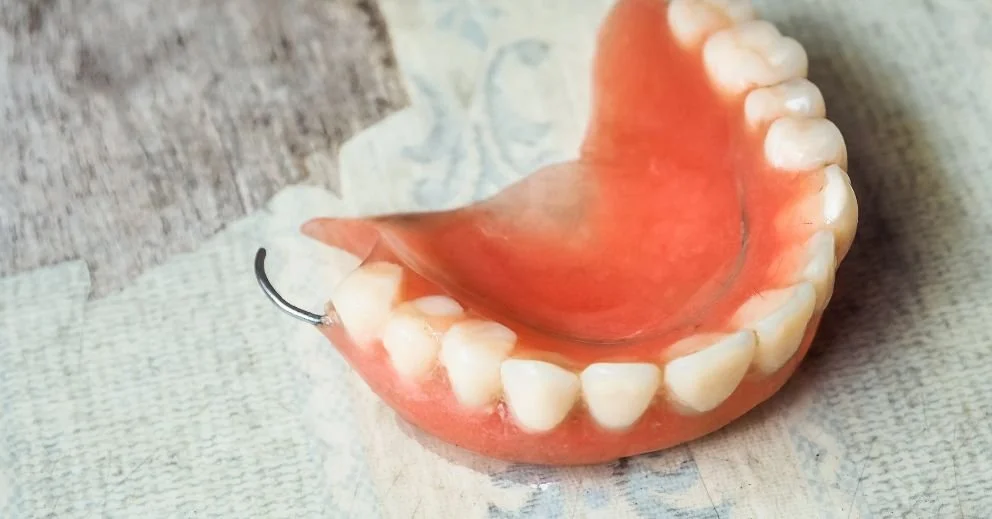
Getting dentures for the first time can feel like a big step. Many people wonder what the fitting process will be like, how the dentures will feel, and what they should do to prepare beforehand. The good news is that modern denture technology and experienced dental professionals make the process far more comfortable and predictable than many people expect.
Your first denture fitting is an important part of creating dentures that look natural, fit well, and feel comfortable in your daily life. With a little preparation and a clear understanding of what to expect, the process can be much smoother and less stressful.
Summary: Preparing for your first denture fitting involves understanding the process, following any instructions from your denture clinic, and knowing what to expect during the appointment. The fitting typically includes checking impressions, assessing the shape and alignment of the dentures, and making adjustments to ensure comfort and stability. Taking simple steps before the appointment, such as discussing concerns, maintaining oral hygiene, and preparing questions for your denture clinician, can help make the experience easier and ensure the best possible fit.
Step 1: Understand the denture fitting process
Before your fitting appointment, it helps to understand what the visit will involve. Dentures are custom-made for your mouth, which means the fitting process is designed to ensure they match your gums, bite, and facial structure.
During your first fitting appointment, your clinician may:
check the initial fit of the dentures
assess how the dentures sit on your gums
evaluate the bite and alignment
make small adjustments for comfort
The goal is to ensure that your dentures feel secure and function properly before you begin wearing them regularly.
Step 2: Follow any instructions from your denture clinic
Your denture clinician may provide specific instructions before your fitting appointment. These instructions help ensure the fitting process goes smoothly.
Depending on your situation, you may be asked to:
avoid eating immediately before the appointment
bring your existing dentures if you currently wear them
follow specific aftercare instructions if teeth were recently removed
If you are unsure about anything before your appointment, it’s always helpful to contact your clinic for clarification.
Step 3: Maintain good oral hygiene
Even if you are receiving full dentures, oral hygiene still plays an important role before your fitting.
Keeping your mouth clean helps ensure the gums are healthy and reduces the risk of irritation once dentures are placed.
Before your appointment, it’s helpful to:
gently brush your gums and tongue
rinse your mouth regularly
follow any healing instructions if extractions were performed
Healthy gums help create a more comfortable and stable denture fit.
Step 4: Be prepared for small adjustments
Your dentures are designed to fit your mouth as closely as possible, but small adjustments are often necessary during the fitting process.
Your clinician may trim or reshape certain areas of the denture base to improve comfort or stability. These adjustments are normal and help ensure the dentures sit properly against your gums.
Sometimes additional follow-up appointments are needed to fine-tune the fit once you begin wearing the dentures more regularly.
Step 5: Ask questions and discuss any concerns
Your first denture fitting is also a great opportunity to ask questions about wearing and caring for your dentures.
Common questions may include:
how long it takes to adjust to dentures
how to clean and store them properly
what foods to avoid initially
how often adjustments may be needed
Open communication helps ensure you feel confident and comfortable moving forward.
Step 6: Be patient during the adjustment period
It’s completely normal for dentures to feel slightly unfamiliar at first. Your mouth needs time to adjust to the new appliance.
During the first few weeks, you may notice:
increased saliva production
mild soreness or pressure points
learning how to chew with the dentures
These adjustments are usually temporary. As your muscles adapt and the dentures settle into place, they often begin to feel more natural.
The importance of working with an experienced denture clinic
Creating comfortable, natural-looking dentures requires skill, experience, and attention to detail. The fitting process is a key step in ensuring that dentures look good, feel secure, and support your daily activities.
At Denture Haus, the focus is on helping patients smile with comfort and confidence. Based in Aspley, Brisbane, the clinic has been creating beautiful, natural-looking dentures for over 25 years.
If you’re preparing for your first denture fitting or exploring denture options, get in touch with their experienced team and find out how they can help you achieve a comfortable and confident smile.
Key Takeaways
Your first denture fitting is an important step in making sure your dentures fit comfortably and function properly.
Preparing for the appointment can help make the experience smoother.
This may include understanding the process beforehand.
Maintaining good oral hygiene is also important.
Following your clinician’s instructions can help support a better fit and adjustment.
It is normal for dentures to need minor adjustments after the fitting.
There is usually an initial adaptation period as you get used to wearing them.
With professional guidance and proper care, most people adjust well.
Over time, dentures can improve both comfort and confidence in your smile.
FAQ
How long does a denture fitting appointment take?
A denture fitting appointment usually takes between 30 minutes and an hour, depending on the adjustments required and the complexity of the case.
Will dentures feel uncomfortable at first?
It’s common for dentures to feel unfamiliar initially. Minor soreness or pressure points can occur during the adjustment period, but these typically improve with time and minor adjustments.
Can I eat normally after getting dentures?
You may need to start with softer foods while adjusting to the dentures. As you become more comfortable, you can gradually return to a wider range of foods.
How long does it take to get used to dentures?
Most people begin to feel comfortable with their dentures within a few weeks, although full adjustment may take a little longer.
How often do dentures need adjustments?
Adjustments may be needed periodically, especially during the first few weeks of wearing dentures. Regular check-ups help ensure the dentures continue to fit comfortably.