
Can Partial Dentures Stop Your Remaining Teeth From Shifting?
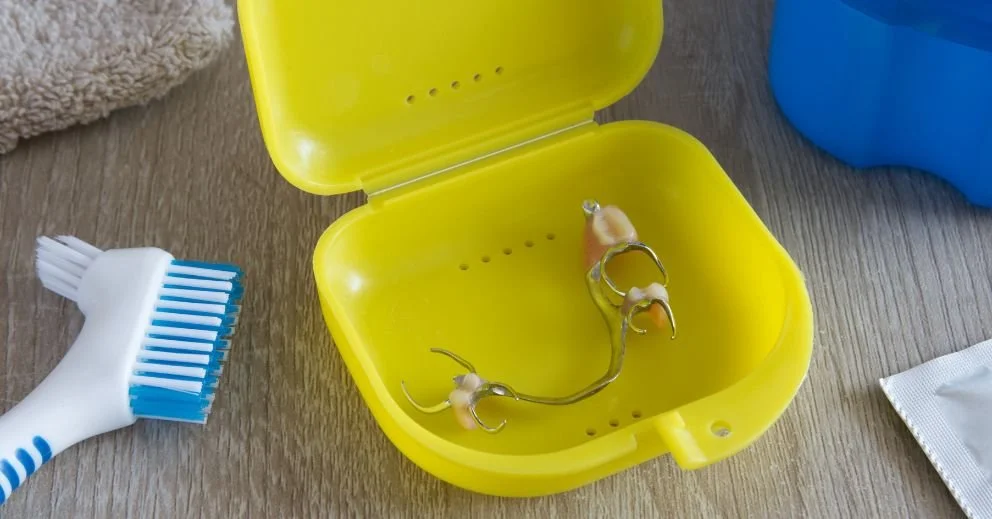
If you've lost one or more teeth and you're wondering whether the gap is quietly causing trouble for the teeth still standing, you're asking the right question. Missing teeth don't just leave a visible space. The teeth around that space often start to move, tilt, or drift over time, and that can affect your bite, your jaw, and even how the rest of your teeth wear down.
Partial dentures are one of the most common ways dentists address exactly this problem. But do they actually stop the shifting, or just cover it up? Let's get into it.
TLDR: Yes, partial dentures can help prevent remaining teeth from shifting by filling the gap left by missing teeth and holding neighbouring teeth in position. They work best when fitted properly and worn consistently, and they're not the only option, but for many people they're a practical, affordable way to protect the rest of their smile.
Why Missing Teeth Cause the Rest to Move
Teeth aren't fixed in concrete. They sit in a delicate balance, held in place by the pressure of neighbouring teeth and the opposing teeth they bite against. Take one tooth out of that equation and the balance shifts, sometimes literally.
The Domino Effect of Gaps
When a tooth is lost, the teeth on either side of the gap tend to lean or drift toward the empty space. The tooth above or below the gap can also start to over-erupt, meaning it grows slightly further than it should because there's nothing to stop it.
Neighbouring teeth tilt into the empty space
Opposing teeth extend downward or upward without resistance
Bite alignment gradually changes
Food traps more easily in newly crooked gaps
Why This Matters Beyond Appearance
It's not just about how your smile looks. Shifting teeth can change the way your jaw closes, which sometimes leads to jaw pain or headaches. Crooked or tilted teeth are also harder to clean properly, which raises the risk of decay and gum disease down the track.
How Partial Dentures Help Keep Teeth in Place
A partial denture is designed to fill the gap left by missing teeth while clipping or resting against the teeth nearby. That physical presence in the mouth is what makes the difference.
Filling the Space Physically
By occupying the gap, a partial denture gives neighbouring teeth something to lean against instead of empty space. This reduces the tendency for those teeth to drift sideways over time.
Maintaining Bite Height and Alignment
Partial dentures also help maintain the correct bite height, which stops opposing teeth from over-erupting into the gap. This keeps your overall bite more stable and even.
Distributing Chewing Pressure
A well-fitted partial denture spreads chewing forces more evenly across your remaining teeth and gums, rather than putting extra strain on just a few teeth. That even distribution is part of what protects the natural teeth long term.
Getting the Fit Right Matters
A partial denture only does its job properly if it fits well. A loose or poorly adjusted denture can actually contribute to further movement rather than preventing it.
Signs Your Partial Denture Isn't Fitting Well
It feels loose or rocks when you chew
You notice new gaps forming around it
Sore spots or rubbing on the gums
Difficulty chewing certain foods
Changes in how your bite feels
Why Regular Check-Ups Count
Your mouth changes shape gradually as gums and bone settle, even after you've had a partial denture fitted. Regular check-ups mean any fit issues get picked up early, before they undo the protective benefit the denture is meant to provide.
Are Partial Dentures the Only Option?
Partial dentures aren't the only way to replace missing teeth and prevent shifting, but they are one of the more accessible and affordable options for a lot of people.
Comparing the Main Alternatives
Dental bridges: fixed in place, don't come out, but involve altering nearby teeth
Dental implants: most closely mimic a natural tooth root, though a bigger investment
Partial dentures: removable, adjustable, and generally the most budget-friendly
Why Many People Still Choose Partial Dentures
Partial dentures don't require surgery and can usually be adjusted as your mouth changes over time. For people who aren't ready for or suited to implants, they're a practical middle ground that still protects the remaining teeth from drifting.
Getting the Most Out of Your Partial Denture
Daily Habits That Help
Wear it as recommended by your dentist, not just occasionally
Clean it daily to avoid buildup that can affect fit
Take it out at night if advised, to give gums a rest
Avoid very hard or sticky foods that could damage clasps
When to See Your Dentist
If your denture starts feeling loose, if you notice new spaces opening up, or if chewing becomes uncomfortable, it's worth booking a check rather than waiting it out. Small adjustments early can prevent bigger problems later.
Could a Partial Denture Be Right for You?
If you're noticing gaps, movement, or changes in your bite, it's worth having a proper look rather than guessing. The team at Denture Haus can assess whether a partial denture is the right fit for your situation and talk you through what to expect. Getting it checked now is a simple step that can save a lot of hassle later.
Book a free consultation with us today.
Key Takeaways
Missing teeth create gaps that allow neighbouring and opposing teeth to shift over time
Partial dentures fill that space and help hold surrounding teeth in position
A good fit is essential, a loose denture won't offer the same protection
Regular dental check-ups help catch fit changes before they cause new problems
Partial dentures are one option among several, and often the most accessible
FAQ
How do I know if I need a partial denture instead of waiting to see what happens?
If you've lost a tooth and notice gaps starting to widen or teeth feeling looser, that's usually a sign the shifting has already begun. Getting assessed sooner rather than later gives your dentist more options to work with.
Will wearing a partial denture feel strange at first?
It's common to notice it in your mouth for the first week or two, especially when eating or speaking. Most people adjust within a couple of weeks as their mouth gets used to the new fit.
How long does a partial denture typically last before it needs replacing?
This varies from person to person depending on how the mouth changes over time, but many partial dentures need adjustment or replacement every several years. Your dentist can advise based on how your fit is holding up at check-ups.
Can I still eat normally with a partial denture?
Most people can eat a fairly normal diet once they've adjusted, though very hard or sticky foods are best avoided as they can strain the clasps. Cutting tougher foods into smaller pieces can also help in the early stages.
What happens if I don't replace a missing tooth at all?
Leaving a gap unaddressed usually means the surrounding teeth will continue to drift and the opposing tooth may over-erupt. Over time this can make future treatment more complicated and costly than addressing it early.