
Denture Allergies: Can Materials Cause Reactions and What Are Your Options?
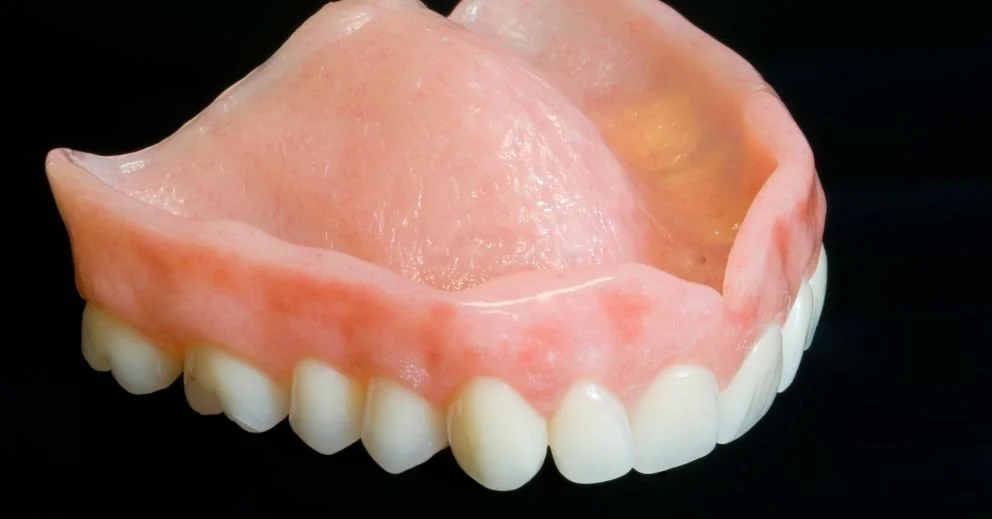
Dentures are designed to restore your smile and improve everyday comfort, but for some people, they can lead to unexpected irritation or allergic reactions. If you’ve noticed redness, soreness, or discomfort after getting dentures, you might be wondering whether the materials themselves could be the cause.
While denture allergies aren’t extremely common, they do happen. The good news is there are safe, effective alternatives available, and with the right guidance, you can still enjoy a comfortable, natural-looking smile.
Summary: Denture allergies can occur when the materials used, such as acrylics or metals, trigger irritation or sensitivity in the mouth. Symptoms may include redness, swelling, soreness, or a burning sensation. Fortunately, there are alternative materials and custom solutions that can minimise or eliminate these reactions. With professional guidance, you can find dentures that are both comfortable and safe for long-term wear.
Can You Be Allergic to Dentures?
Yes, although it’s relatively uncommon, some people can react to certain materials used in dentures.
Most traditional dentures are made from acrylic resin, sometimes combined with metal components. As with other dental materials, individual sensitivities can vary. In some cases, a suspected acrylic allergy may be associated with components of the dental acrylic used to make the denture. For people wearing acrylic dentures, it’s important to distinguish a possible material sensitivity from irritation caused by the fit or movement of the denture. In some cases, the body may respond to these materials, especially if there’s a sensitivity or allergy present.
It’s also worth noting that not all irritation is an allergy. Poor fit, pressure points, or hygiene issues can cause similar symptoms, so getting a proper assessment is essential.
Common Symptoms of Denture Allergies
If you’re reacting to your dentures, you might experience:
Red or inflamed gums
Burning or tingling sensations
Swelling in the mouth
Persistent soreness or discomfort
Unusual taste or sensitivity
Ongoing gum irritation around areas that come into contact with the denture
These symptoms can appear soon after getting new dentures or develop gradually over time. Because allergy symptoms can overlap with irritation caused by fit, friction, or oral health issues, symptoms alone don’t necessarily confirm an allergy. A contact allergy may be considered when symptoms appear in areas exposed to a particular material or product, but professional assessment is important for determining the likely cause. Persistent oral irritation can have several possible causes, so experiencing discomfort doesn’t automatically mean you’re having an allergic reaction to the denture material.
What Materials Can Cause Reactions?
Different dental materials may be used depending on the type and design of your dentures. Understanding which part of the denture or accompanying product is causing irritation can help guide the next step.
ACRYLIC (PMMA)
Acrylic is widely used in denture bases. A traditional denture base may be made from acrylic resin, and some people may be sensitive to residual monomers, which are small chemical components left after processing. If an acrylate allergy is suspected, professional assessment can help determine whether the material may be contributing to the reaction.
METAL ALLOYS
Partial dentures sometimes include metals like cobalt, chromium, or nickel. Depending on its design, a partial denture may use a metal framework or other materials to provide support and stability. Nickel, in particular, is a known allergen for some individuals. If you have a known nickel allergy or have previously experienced a metal allergy, let your dental professional know so they can consider this when reviewing suitable denture materials.
ADHESIVES AND CLEANING PRODUCTS
In some cases, the reaction isn’t from the denture itself but from:
Denture adhesives
Cleaning solutions
Poorly rinsed products
If symptoms appear after introducing a new denture adhesive or cleaning product, mention this during your assessment, as it may help narrow down possible sources of irritation.
This is why it’s important to consider all factors, not just the denture material.
What Are Your Options If You Have a Denture Allergy?
If you suspect an allergy, don’t ignore it. There are several alternatives that can improve comfort and eliminate reactions. Depending on your individual needs, this may involve changing denture materials or products, adjusting the fit, or discussing other tooth-replacement options with your dental professional. In some circumstances, dental implants may also be discussed as an alternative or as part of a broader treatment plan.
HYPOALLERGENIC DENTURE MATERIALS
Modern dentures can be made from materials designed to reduce the risk of allergic reactions, such as:
High-quality, medical-grade acrylics with fewer residual chemicals
Flexible, nylon-based materials
Metal-free denture options
These materials are often better tolerated and still provide a natural appearance.
CUSTOM-FITTED DENTURES
A precise fit can make a big difference. Sometimes what feels like an allergy is actually irritation from pressure or movement.
Custom dentures are designed to:
Fit securely and comfortably
Reduce friction on the gums
Improve overall function and appearance
REVIEWING YOUR PRODUCTS
Switching to gentler, non-irritating cleaning products or adhesives can also help if those are contributing to the issue.
Why Professional Assessment Matters
Trying to self-diagnose can lead to unnecessary discomfort or the wrong solution. A qualified denture professional can:
Identify whether it’s an allergy or a fit issue
Recommend suitable materials
Customise your dentures for maximum comfort
Because soreness, pressure, oral irritation, and an allergic reaction can sometimes produce similar symptoms, dental professionals can help determine what may be contributing to your discomfort and recommend an appropriate next step. Where a material sensitivity is suspected, your dental or healthcare professional may also discuss whether further assessment or allergy testing is appropriate.
At Denture Haus in Aspley, Brisbane, the focus is on creating dentures that not only look natural but feel right from day one. With over 25 years of experience, the team takes the time to understand your needs and find the best solution for your situation.
Find Dentures That Truly Feel Right
If your dentures are causing discomfort, you don’t have to put up with it. The right solution can make all the difference to your comfort and confidence.
At Denture Haus, you’ll get personalised care and expertly crafted dentures designed to suit your needs. Book a consultation and take the first step towards a better-fitting, more comfortable smile.
KEY TAKEAWAYS
Denture allergies are uncommon but possible
Symptoms include redness, swelling, and a burning sensation
Acrylics, metals, and even cleaning products can trigger reactions
Hypoallergenic and metal-free materials offer safer alternatives
A proper fit is just as important as the material
Professional guidance ensures the best long-term outcome
FAQ
How do I know if I’m allergic to my dentures?
If you’re experiencing ongoing irritation, burning, or swelling that doesn’t improve, it’s worth having your dentures assessed by a professional.
Are metal-free dentures better for allergies?
For people with metal sensitivities, yes. Metal-free options can reduce the risk of allergic reactions.
Can denture allergies develop over time?
Yes, sensitivities can develop gradually, even if you’ve worn dentures comfortably in the past.
What should I do if my dentures are causing discomfort?
Stop using any new products, keep the area clean, and book an assessment to identify the cause.
Can acrylic dentures cause gum irritation?
Gum irritation can occur for several reasons, including pressure, friction, fit, hygiene issues, or sensitivity to a material or product. If discomfort develops while wearing acrylic dentures and doesn’t improve, have your dentures professionally assessed rather than assuming the acrylic is responsible.
Should I have allergy testing before getting dentures?
Allergy testing isn’t routinely necessary for everyone getting dentures. However, if you have a known nickel allergy, metal allergy, or history of reactions to certain materials, discuss this with your dental or healthcare professional. They can advise whether additional assessment is appropriate and consider this information when discussing suitable denture materials.
Get key takeaways with ChatGPT